"We must unite to prevent further aggression," an Iranian official stated, highlighting Tehran's urgent plea to neighboring countries to take a stand against U.S. military actions. This call comes during the escalating 2026 Iran war, following the breakdown of a ceasefire that had previously kept hostilities at bay.
The situation in the region has become increasingly volatile, marked by recent U.S. airstrikes targeting Iran's southern coast and Iran's retaliatory missile attacks on American bases scattered throughout the Middle East. As these tensions escalate, Iran's request shows its desire to draw Gulf states away from U.S. influence, potentially broadening the conflict's scope.
In the financial markets, reactions to these developments are palpable. Confidence in the U.S. being able to end the Iranian blockade by the anticipated date of July 24 has waned, with probabilities dropping from 12% to just 9.5%. Analysts are now closely monitoring this downward trend, which reflects growing unease about the prospects for a swift resolution in the ongoing conflict.
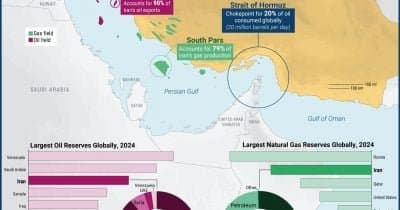
Key regional players and their responses to Iran's appeal will be critical to watch in the coming days. Any shifts in military strategy from either the U.S. or Iran could significantly influence market sentiment and expectations regarding the Strait of Hormuz. Observers are particularly interested in forthcoming announcements from U.S. Central Command or Iranian officials, which could further clarify the trajectory of this conflict.
This material is informational and not financial advice.