Iran’s Foreign Ministry has taken a strong stance, accusing the United States of breaching the Islamabad Memorandum of Understanding (MOU). This allegation surfaces just as the MOU, which was intended to facilitate a ceasefire and initiate discussions on Iran’s nuclear ambitions, has recently expired. The Iranian government interprets the U.S. military actions and renewed sanctions as clear violations of the agreement, further complicating the already tense situation.
The escalation follows a series of military operations by the U.S. and Israel targeting Iran's nuclear facilities, significantly raising the stakes in the ongoing conflict. Market analysts are reacting to these developments by adjusting their expectations, noting that the likelihood of the U.S. lifting its blockade on Iran has decreased from 10% to 9.5% as of this week.
Impact on Geopolitical Dynamics
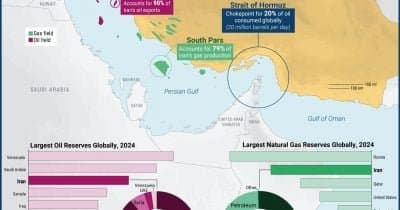
As tensions rise, observers are keenly watching for responses from U.S. officials. Any statements from President Trump or the U.S. Central Command will likely provide insight into the future of the blockade and the overall U.S.-Iran relationship. The situation in the Strait of Hormuz, a critical shipping lane, is also under scrutiny as military operations could have significant implications for global oil markets.
Additionally, Iran's diplomatic maneuvers could potentially shift perceptions in the market, influencing both investor sentiment and geopolitical stability. The intricate interplay between military actions and diplomatic efforts will be crucial in the coming days.
This article is for informational purposes only and does not constitute financial advice.