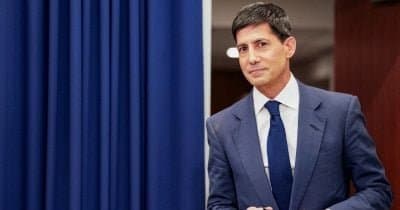
Kevin Warsh's recent comments highlight the Federal Reserve's changing approach to interest rate decisions. "We're moving away from guessing future trends based on past guidance and instead focusing on data as it comes in," Warsh stated, signaling a significant shift in policy. This evolution has raised eyebrows among market analysts, leading them to question how well the Fed can communicate its intentions to investors.
The new strategy under Warsh not only strays from the Fed's earlier reliance on forward guidance but also introduces a level of uncertainty that has rattled the markets. Presently, traders assign an 85% chance of an interest rate increase in 2026, largely driven by persistent inflation and a buoyant job market. As the Fed approaches its critical July meeting, this shift has become a hot topic of discussion among market participants.
Despite this, there appears to be a consensus among experts that the Fed is unlikely to alter interest rates post-July. Current market forecasts suggest a 96.2% likelihood of keeping rates unchanged after the upcoming meeting. Additionally, scrutiny over Warsh's communication tactics has diminished expectations for any immediate hikes, particularly the one speculated for October 2026.
As the Fed's new data-driven strategy unfolds, all eyes are on forthcoming economic indicators, such as inflation and employment figures. The outcomes of these reports could significantly influence the Fed's decisions, alongside insights from Warsh and the findings of the five task forces he established, which are expected by the end of 2026.
This article is for informational purposes only and not financial advice.