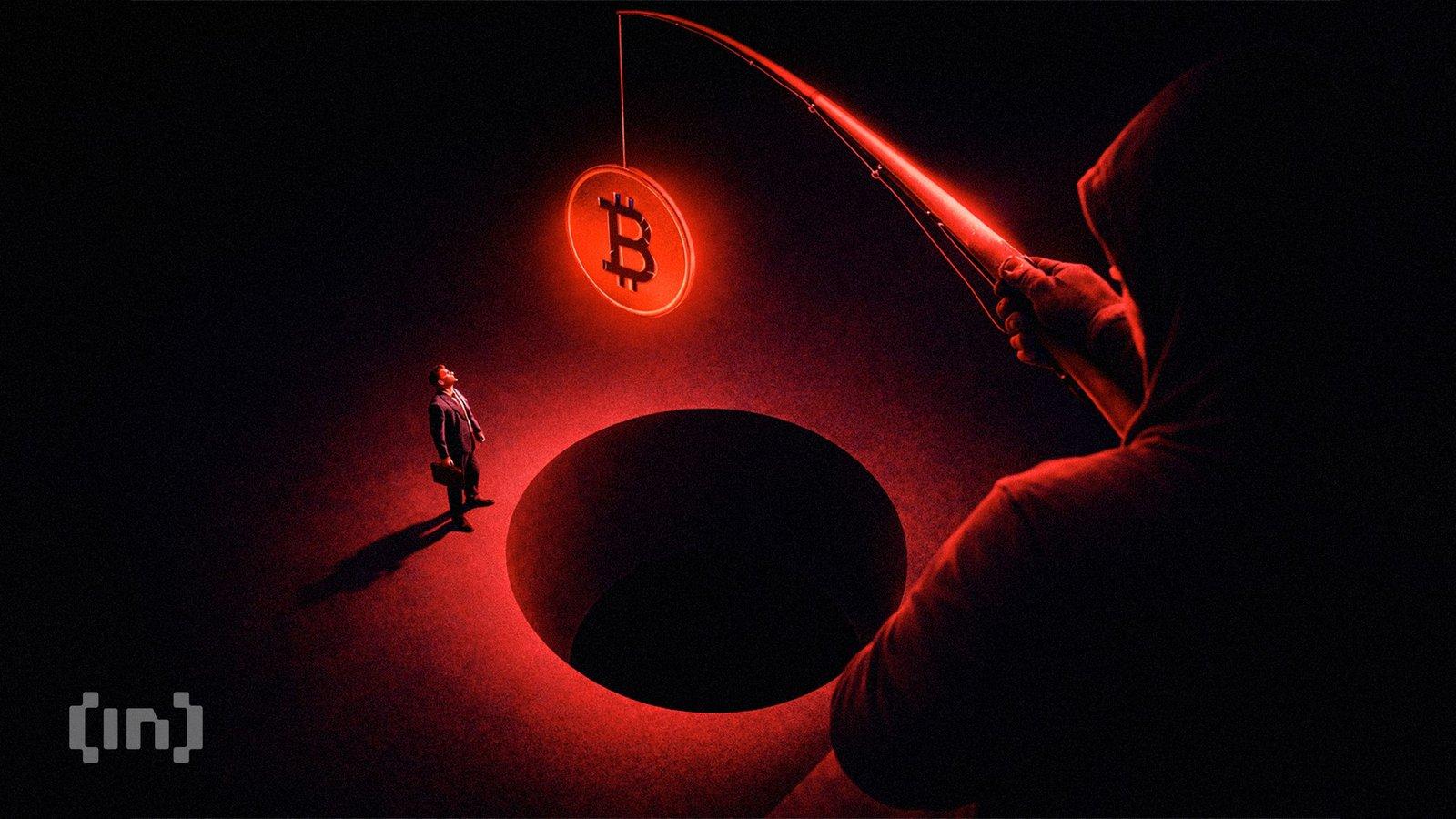
A recent incident in the crypto sphere saw an anonymous user suffer a staggering loss of $999,999 in USDT due to an Ethereum phishing attack, triggered when they inadvertently signed a fraudulent token approval request.
Blockchain records reveal that the assailants swiftly divided the stolen funds into three separate transactions, successfully executed within minutes, as the transfers were recorded in Ethereum blocks 25489460 and 25489463.
Understanding the Importance of This Event
This incident highlights the ongoing risk posed by token approval phishing, a well-known tactic in decentralized finance. The alarming fact is that attackers don't need access to a victim's private keys to misappropriate funds. Instead, they lure users into granting broad access to their tokens through deceptive approval requests, which remain valid until revoked.
- The affected user lost nearly $1 million in one transaction.
- The attack was executed in a matter of minutes after the phishing signature.
- Similar attacks have drained wallets of around $400,000 recently.
- Phishing scams targeting high-value wallets have seen a 200 percent increase this year.
The recent surge in phishing attacks, including a notable fake Uniswap phishing site that stole approximately $400,000 from multiple wallets, underscores the need for vigilance among crypto users.
Mechanics of the Phishing Attack
In this particular case, the attackers employed Multicall functions, enabling them to consolidate multiple actions within a single transaction. This quick execution stripped the victim of their chance to revoke the token approval effectively. Notably, while the wallet's private keys remained untouched during the attack, standard wallet alerts were rarely triggered, making it difficult to detect such an exploit in real time.
Security experts have noted a trend toward exploiting transaction structures rather than credential theft, making it essential for users to remain cautious.
Key Takeaways and Future Precautions
In the wake of the incident, analysts at Scam Sniffer have renewed their warning for crypto users to meticulously check every signature request before authorizing it. Recommendations include confirming the contract address and permissions displayed by the wallet, avoiding blanket approvals, and routinely revoking unnecessary or unlimited token approvals as fundamental defensive measures.
The incident draws parallels to an ongoing MetaMask phishing campaign that exploited fake two-factor authentication prompts to mislead users. Despite advancements in wallet protections, analysts emphasize that users must be proactive in understanding what a signature permits.
Disclaimer: This material is for informational purposes only and does not constitute financial advice.