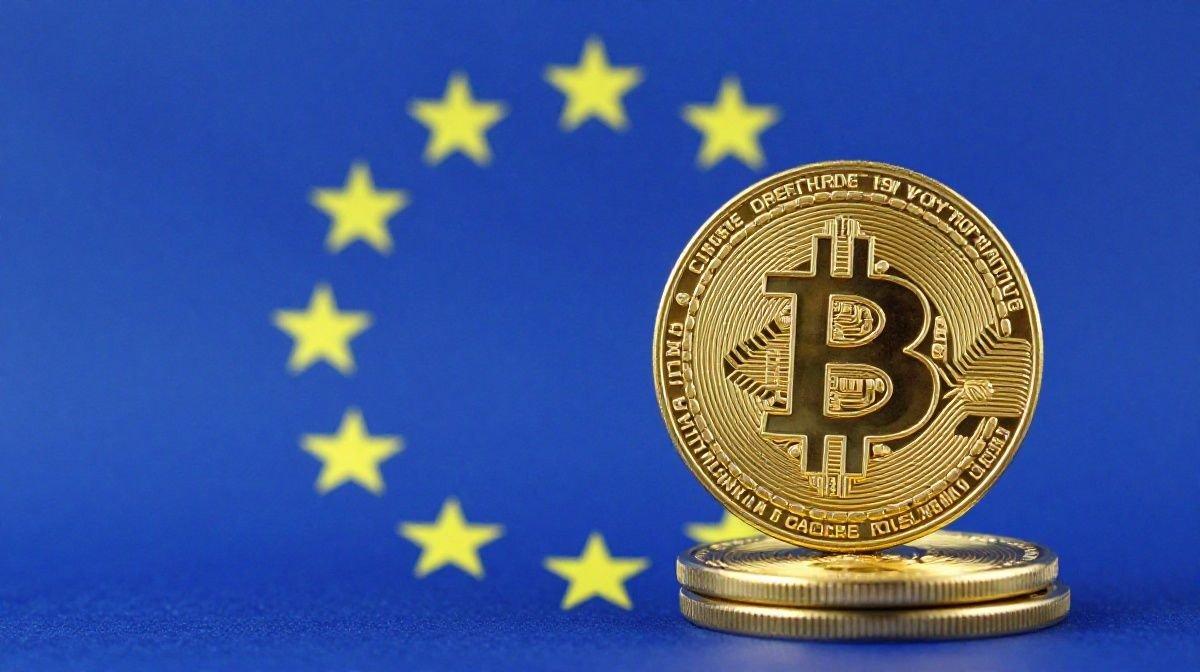
The transition period for the Markets in Crypto-Assets (MiCA) regulation in Europe officially concluded on July 1, 2026, and the fallout has been significant. This wasn’t merely a minor adjustment; it effectively reshaped the European crypto industry in one fell swoop. While many have focused on price movements, the more pressing issue is identifying which companies are still authorized to operate and which have disappeared into obscurity.
Why This Matters
The impact of MiCA is monumental for both operators and crypto users in Europe. Understanding the aftermath is crucial, as it affects market competition and compliance enforcement. Here are some key statistics that illustrate the scale of the changes:
- 244 authorized Crypto Asset Service Providers (CASPs) now exist across the EU.
- Before MiCA, approximately 3,167 firms were nationally registered.
- Nearly 92% of the previous market has vanished as a result of the changes.
- Only 210 out of over 1,200 EU crypto businesses managed to convert their operations to meet MiCA requirements.
The European Securities and Markets Authority has made it clear: there will be no extensions or grace periods for firms that could not adapt in time.
Major Players That Did Not Survive
Two prominent names stand out in the list of firms that have exited the market Binance and Tether. Binance, the world's largest exchange, withdrew its license application in Greece right before the deadline and has since curtailed its services across various EU jurisdictions. On the other hand, Tether, the leading stablecoin issuer, made a strategic decision to abstain from complying with MiCA's reserve requirements, which were deemed potentially harmful by CEO Paolo Ardoino. His view was that the stipulation mandating issuers to hold 60% of reserves in EU banks posed a significant risk.
As a consequence of these decisions, the $USDT stablecoin, traditionally the most traded globally, has been stripped from every licensed venue within the EU. However, it is worth noting that Binance is not entirely out of the picture and is currently pursuing a MiCA license in France, which may enable it to return under the right circumstances.
Implications for the Remaining Firms
The situation greatly benefits the companies that have successfully navigated the MiCA landscape. As the competition dwindles, remaining firms have the opportunity to capture the market share of users who have lost access to unauthorized platforms. Interestingly, around 70% of all EU crypto transactions are now conducted on exchanges that comply with MiCA regulations, and that number is only expected to increase.
What's Next?
Looking forward, industry observers will be keeping a close eye on the developments related to Binance's MiCA license application in France. Additionally, the evolution of user behavior is worth monitoring, as displaced volume searches for legal trading platforms, ultimately shaping the future of compliant exchanges in Europe.
Disclaimer: This material is for informational purposes only and does not constitute financial advice.