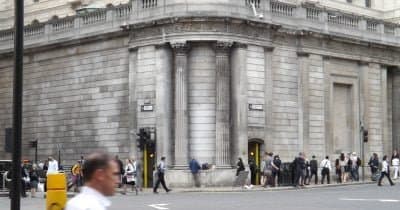
Recently, the Bank of England made it clear that it won’t be tightening monetary policy anytime soon. Deputy Governor Sarah Breeden emphasized that rising energy prices, particularly those linked to the ongoing conflict in Iran, are unlikely to spark the kind of wage-price spirals that rocked the economy in 2022. Instead, the current state of the UK economy, which is struggling, means inflation isn’t as pressing a concern.
During her remarks on March 26, 2026, Breeden pointed out that the second-round effects of inflation from energy price increases are “less likely” now than during the upheaval caused by the Russia-Ukraine crisis. The weak economy currently makes it more difficult for inflation to take hold. When demand is low, workers have less use to negotiate higher wages and employers can’t raise prices significantly.
This situation is a sharp contrast to the frantic inflationary conditions of last year, when the Bank of England hiked interest rates repeatedly to counter skyrocketing prices. As a result, Bitcoin and other risk assets plummeted, with Bitcoin's price dropping from around $47K to under $16K in a matter of months.
For crypto investors, Breeden's comments might signal a window of opportunity. While she didn’t specifically mention cryptocurrencies, the implications of prolonged low rates could favor digital assets. Monitoring developments in the UK’s digital currency space and regulations surrounding stablecoins is essential, as they may eventually intertwine with the broader economic policy.
However, potential risks loom on the horizon. Should the conflict in Iran escalate and energy prices surge unexpectedly, even the current economic weakness might not be able to contain inflationary pressures. Breeden clarified that while those effects are less likely, they aren’t out of the question.
Investors should keep a close eye on both the geopolitical landscape and the Bank of England's regulatory discussions regarding digital currencies. The path forward might not be as predictable as it seems, and the intersection of monetary policy and digital asset regulation could reshape the market.
This article is for informational purposes only and should not be considered financial advice.