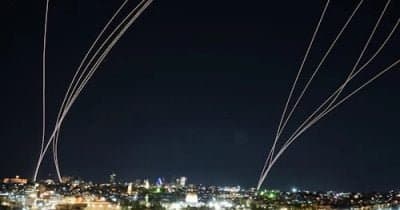
On July 12-13, Bahrain’s Defence Force intercepted multiple Iranian missiles and drones, intensifying existing military tensions in the region. This incident, which prompted air-raid sirens across the island, highlights the ongoing conflict that has plagued the Persian Gulf since late February.
Bahrain is strategically significant as it hosts the US Fifth Fleet headquarters. Any missile targeting this location poses a risk of escalating into a broader conflict, given the fleet's role in safeguarding maritime security in the Strait of Hormuz, a crucial passageway for approximately 20% of the world’s oil supply.
Military Developments and Implications
Since hostilities increased in February, the Bahrain Defence Force has successfully intercepted at least 188 missiles and 468 drones, with the latest attacks adding to those figures. Analysts describe Iran’s military actions as part of a “systematic hostile approach,” indicating a sustained campaign rather than isolated incidents. Reports suggest some of these strikes aim directly at US Navy assets stationed in the kingdom.
The scale of the incoming threats is alarming, with more than 650 missiles and drones tracked by early April alone. This situation places immense pressure on Bahrain's defense resources as they strive to maintain security.
Market Reactions and Bitcoin's Role
For crypto traders, the implications of these military tensions are significant. Analysts warn of potential downside risks for Bitcoin and other assets, particularly if the conflict disrupts oil production or shipping lanes. Any major development in the Gulf region could have far-reaching consequences for global markets.
The recent attacks mark a notable increase in aggression, with the frequency and boldness of strikes against a nation that hosts a major US military base. Should the conflict escalate further, especially with impacts on oil infrastructure, it would likely trigger a category-level event across all markets.
Investors should keep a close eye on three critical factors: first, any disruptions to oil production or shipping routes through the Strait of Hormuz; second, the potential for a US military response that goes beyond defensive measures; and third, Bitcoin's correlation with traditional risk assets during these turbulent times.
This material is for informational purposes only and does not constitute financial advice.