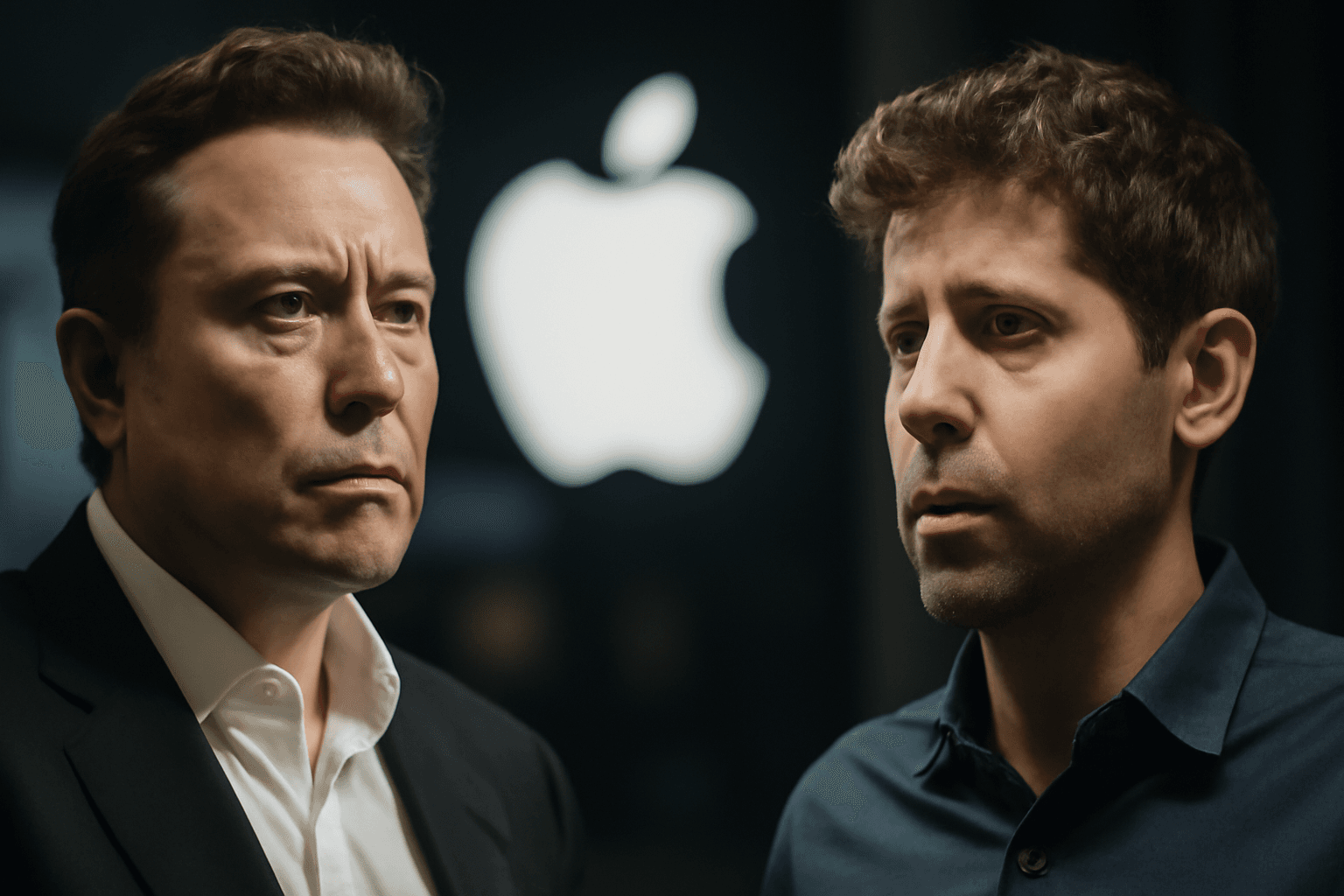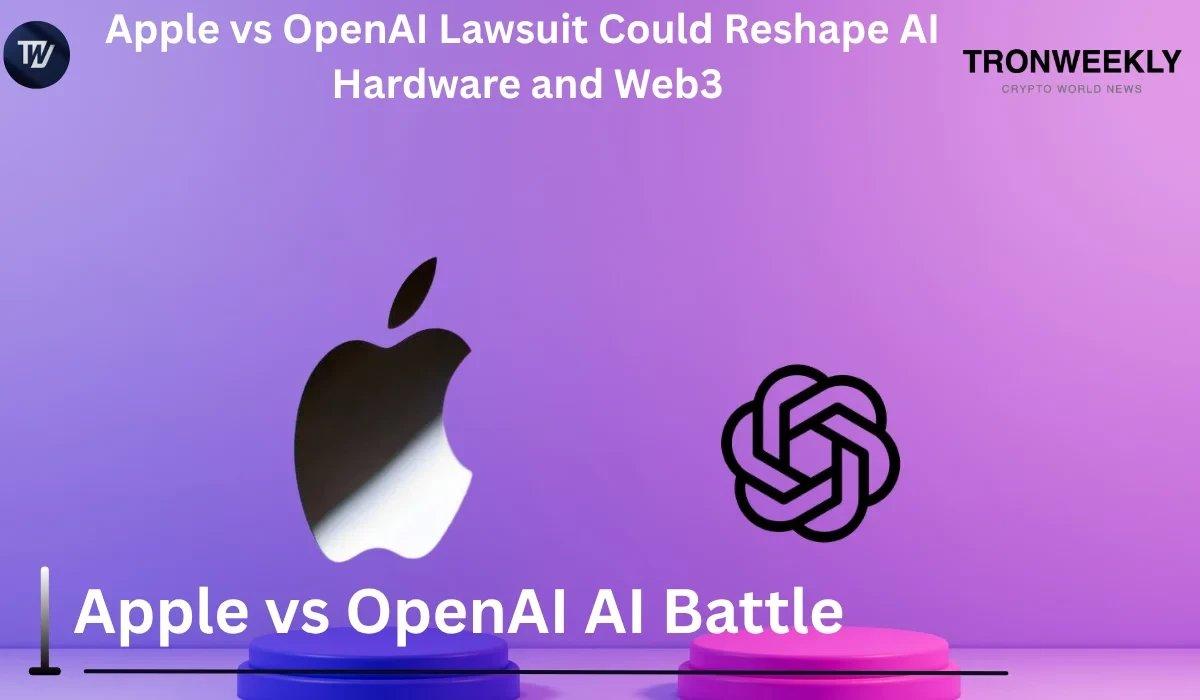
Apple has initiated a legal battle against OpenAI, shifting what once was a collaborative partnership into a fierce rivalry. This lawsuit not only underscores one of the most significant intellectual property disputes in Silicon Valley but also raises pertinent questions about talent mobility and trade secret protection.
According to Apple's allegations, OpenAI sought confidential information including prototypes, supplier data, and internal documents during its recruitment efforts. Furthermore, Apple claims that some of its former engineers, who have since joined OpenAI, leaked proprietary secrets before their departure. OpenAI has publicly denied these accusations, setting the stage for a contentious legal conflict.
Key Players in the Dispute
A crucial figure in this unfolding drama is a former head of the iPhone and Apple Watch product design, now leading OpenAI’s hardware division. The lawsuit involves not only Apple and OpenAI but also former employees, suppliers, and potentially regulatory bodies examining the implications of intellectual property and labor practices.
This case is particularly timely as OpenAI is expanding its AI hardware business and preparing for an upcoming IPO. This development could reshape the competitive landscape in the tech industry.
Implications for AI and Blockchain
The outcome of this lawsuit holds significant implications for the blockchain and Web3 communities, highlighting the nature of intellectual property disputes in an age increasingly dominated by AI-driven infrastructure. Many Web3 projects are now integrating AI into various applications such as on-chain analytics, smart contract auditing, and decentralized computing.
As the case progresses, it may establish new legal precedents affecting how companies handle talent acquisition and protect their trade secrets. Investors and venture capitalists are expected to closely monitor the proceedings, as the implications could resonate throughout the tech industry.
In summary, this lawsuit not only reveals the complexities of the tech sector but also the growing intersection between AI, hardware development, and blockchain technology. As regulatory scrutiny intensifies around AI and data management, the outcomes of such legal conflicts will likely shape the future of these industries.
This material is for informational purposes only and should not be considered financial advice.