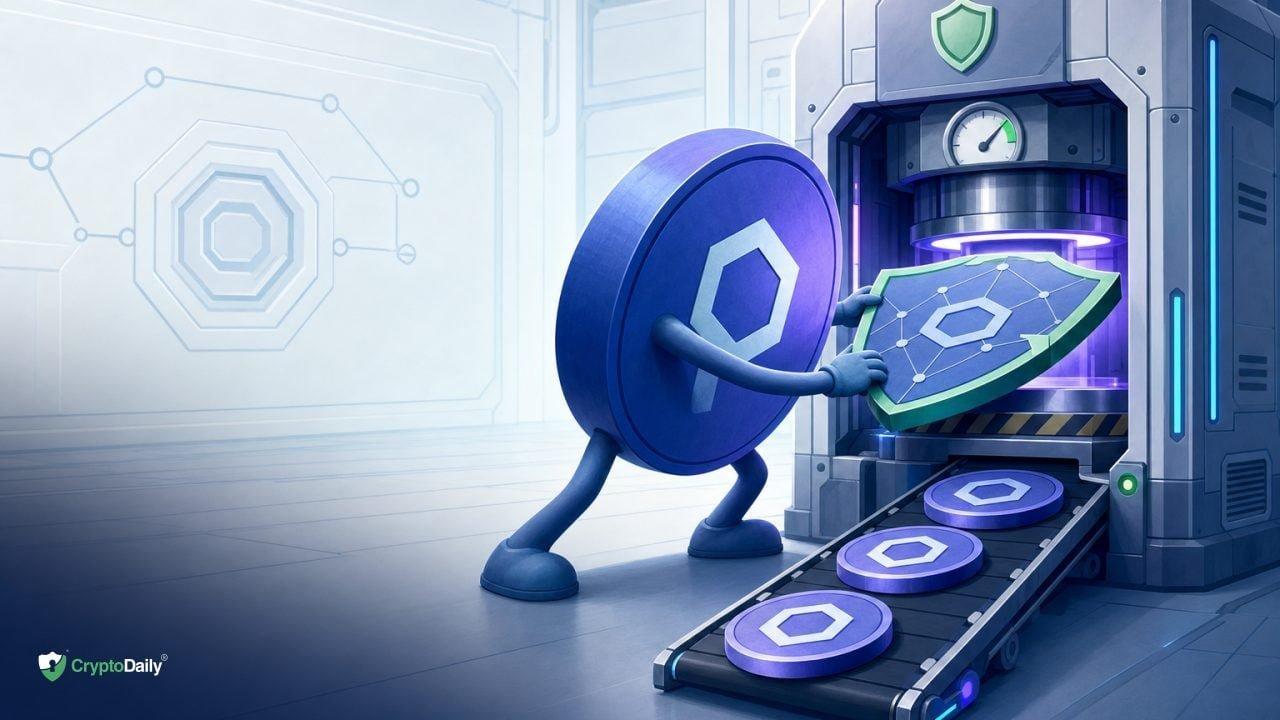
Navigating the landscape of crypto sportsbooks can be daunting for bettors, especially with the plethora of information available. A common feature on many sportsbook homepages is an audit badge, often accompanied by a logo from a recognized security firm. While this badge provides some level of comfort, it begs a critical question: what exactly has been audited, and what does it really signify?
The essence of an audit lies in its specificity. It's not merely a decorative emblem; instead, it serves as a window into the security measures in place. Bettors who understand the scope of crypto sportsbook audits can better interpret these badges and engage with platforms that genuinely prioritize safety.
Defining Smart-Contract Audits
At the heart of a reliable crypto sportsbook is a thorough smart contract audit. This process entails an exhaustive examination of the platform's contract code conducted by an external security firm. Just as a proofreader meticulously reviews a manuscript, auditors search for vulnerabilities such as reentrancy bugs and integer overflows, which could be exploited by malicious actors.
Prominent names in the auditing space include CertiK, Hacken, and OpenZeppelin, among others. Their reports are far more than just badges; they detail the examination process, highlight any discovered issues, and indicate whether developers have addressed them. Recognizing the difference between the badge and the audit report is crucial.
How to Verify Audit Claims
When assessing a crypto sportsbook, the presence of an audit badge should prompt further inquiry. If no report is linked, the badge may lack substance. Here are some vital checks to ensure you are looking at a reputable audit:
- Verify the audit comes from a recognized firm.
- Check the date of the audit, as outdated reports may not reflect the current state of the code.
- Ensure the contracts listed in the report align with the ones currently utilized by the platform.
- Investigate whether flagged issues were resolved or if they remain unaddressed.
It is also worth noting that auditors maintain registries, allowing you to confirm the report's legitimacy directly from the source.
However, it’s essential to understand the limitations of an audit. These evaluations represent a snapshot in time and cannot account for all potential vulnerabilities. As noted by CertiK, their audits do not assure complete security, highlighting that the dynamic nature of code makes it impossible to test every conceivable scenario.
This material is informational and should not be considered financial advice.