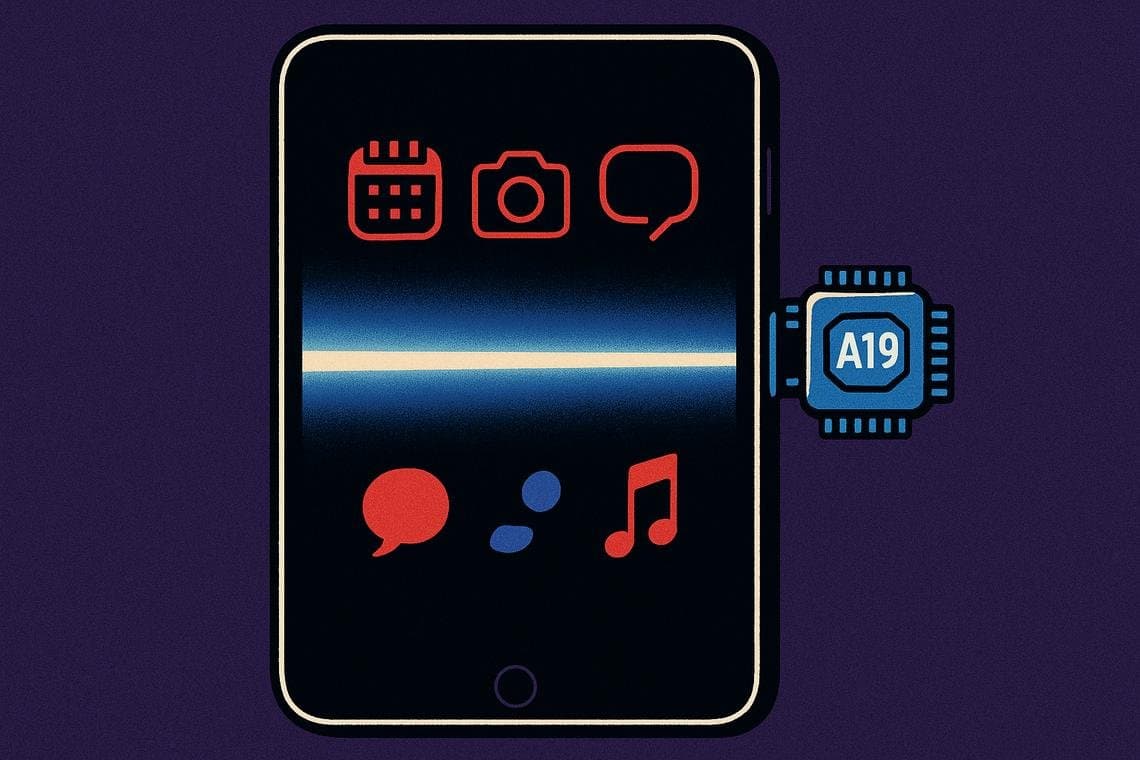
Apple is set to launch the biggest iPad mini upgrade in years, swapping its traditional LCD for a vibrant OLED display. The switch promises deeper blacks and better contrast, transforming how users watch videos, play games, or read on the compact tablet. This change marks the first time the iPad mini gets an OLED screen, stepping out of the shadow of its larger siblings.
Under the hood, the device will jump from the A17 Pro chip to the newer A19 Pro, a two-generation leap that delivers a noticeable boost in performance. This upgrade won’t just help with everyday tasks but will also enhance video editing, photo processing, and AI applications on the go. Gamers should see smoother experiences despite the screen refresh rate remaining at 60Hz, lacking the ProMotion technology available on the iPad Pro models.
The design might look familiar, but the performance improvements reshape the iPad mini's role from a simple entertainment gadget to a more versatile tool suited for professional workloads. This shift aligns with Apple's strategy of expanding the device's appeal beyond casual use.
However, this higher-end hardware comes at a cost. The starting price is expected to jump $100, reaching $699 at launch, which is slated for as early as October 2026. Meanwhile, Apple is also gearing up to refresh its base iPad with an updated processor, but that won’t arrive until early 2027.
These changes position the iPad mini as a compelling choice for users who need power in a small form factor. The OLED display and A19 Pro chip together offer a significant quality leap. Users who value compactness but demand performance will likely welcome this update, though the price hike may give some pause.