Analyzing the Current Landscape of Tokenization: Expert Insights on RWA Market Liquidity Challenges
A recent report from BeInCrypto Intelligence showcases a significant landscape of tokenized real-world assets, revealing a total market value of approximately $60 billion spread across more than 7,000 unique products in 12 distinct asset classes. The analysis, based on data from RWA.xyz and insights from the BeInCrypto Expert Council, presents an intriguing picture of growth yet highlights a prevalent narrowness in the market.
In terms of market distribution, just 62 assets account for a staggering 88% of the overall value. Among these, five products dominate significantly, comprising about half of the entire market: Figure HELOC, Circle USYC, Tether Gold, BlackRock BUIDL, and Justoken JMWH.
The Stark Reality of Market Activity
The disparity in trading activity within this sector is equally striking. Analysis indicates that among 1,289 tokenized assets valued at over $100,000, a whopping 910—worth about $32.9 billion—exhibited no weekly transfers at all. This raises critical questions regarding the liquidity of these assets and the market's overall vibrancy.
Moreover, accessibility presents another challenge. Approximately 97% of the total market remains beyond the reach of retail investors in the United States, with only an estimated $1.7 billion available for legal purchase by US retail clients.
Challenges with Tokenized Stocks
While the number of tokenized stocks is increasing, the report highlights a concerning trend—59% of these stock tokens offer synthetic price exposure instead of granting actual ownership of the underlying shares. This discrepancy adds another layer of complexity to the liquidity discussion.
Expert Opinions on the Tokenization Dilemma
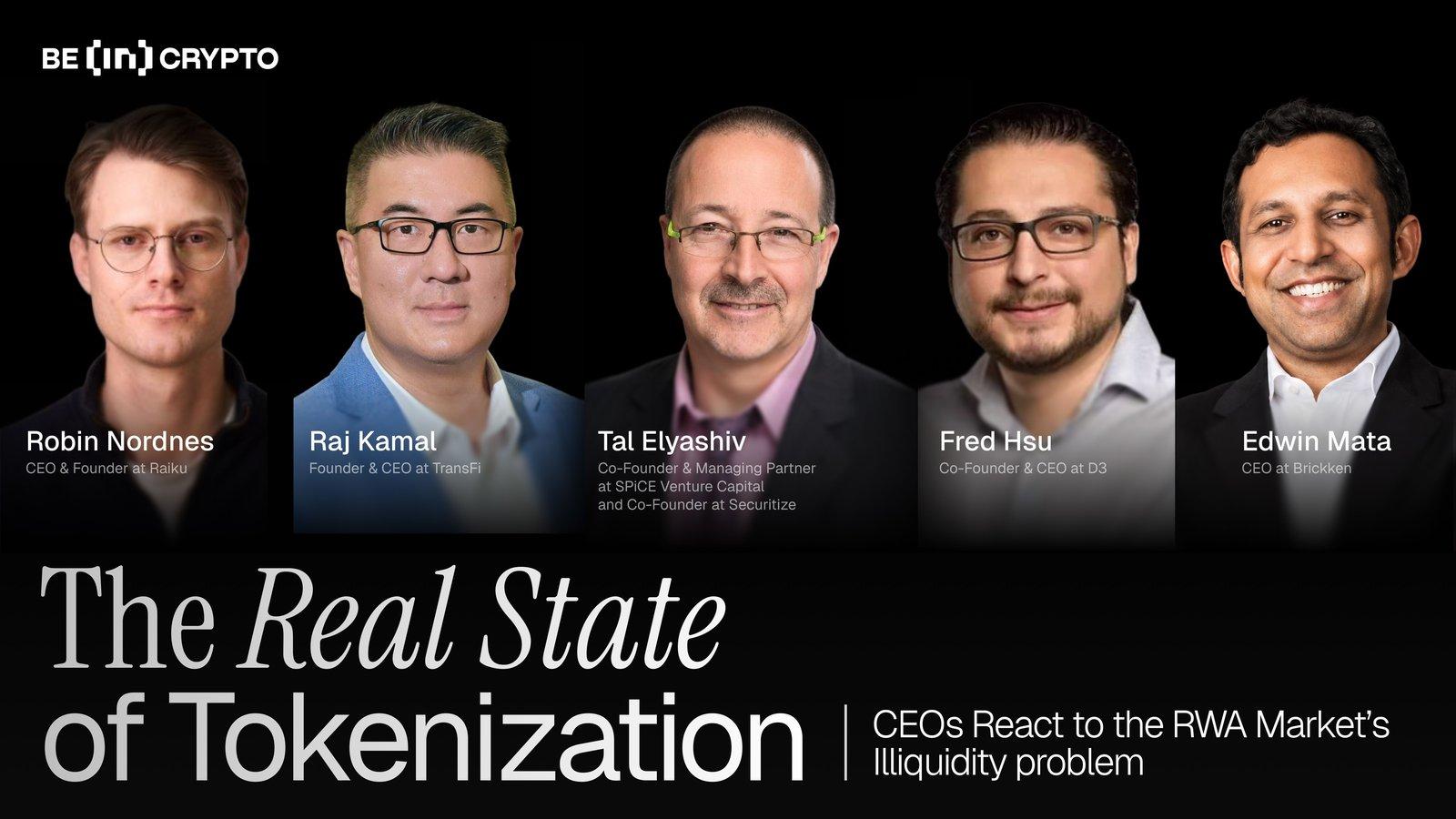
The findings from BeInCrypto prompted opinions from several leading figures in the industry. Tal Elyashiv, Co-Founder of Securitize and SPiCE Venture Capital, opined that the tokenization of assets must originate from true ownership for it to be meaningful. He noted, “Tokenization that does not encompass full ownership is, at best, a problematic approach.” Elyashiv further asserted that the low transfer frequency should not universally be interpreted as a failure. Many initial tokenized products were launched primarily for institutional purposes, aimed at enhancing compliance and settlement processes rather than facilitating public trading.
Elyashiv emphasized the necessity of ensuring that earlier phases demonstrate resilience and regulatory clarity before progressing to public trading. He maintains optimism, suggesting that the sector is now transitioning into a more accessible phase.
Conclusion
As the tokenization market evolves, the juxtaposition of growth against liquidity challenges poses significant questions for future developments. Market participants will need to address these concerns to ensure the long-term viability of tokenized assets in the evolving financial landscape.