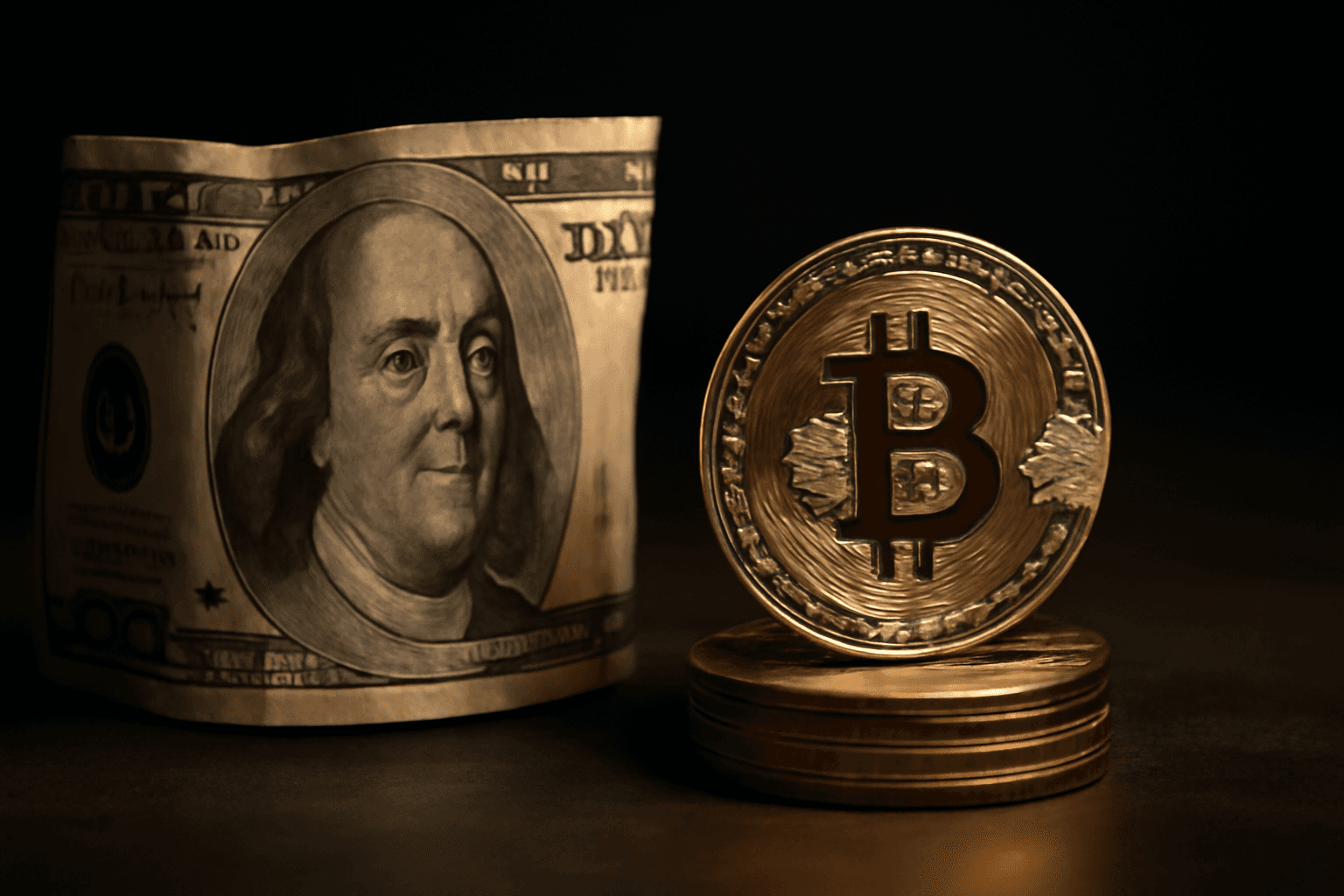
The national debt of the United States has reached a staggering $39 trillion as of mid-March 2026. With more than $31 trillion held by the public, the financial situation is starting to raise eyebrows across both economic and political spectrums. The Congressional Budget Office has projected a fiscal deficit of $1.9 trillion for FY2026, with expectations that public debt could soar to $56 trillion by 2036. In this context, Senator Cynthia Lummis has been advocating for the BITCOIN Act, suggesting that the U.S. Treasury should acquire up to one million bitcoins over a five-year span.
The alarming growth of national debt has transitioned from being a mere statistic to a pressing issue affecting everyday economic discussions. Notably, by mid-May, the U.S. debt reached its remarkable milestone, with the notable event of the gross national debt exceeding the country's GDP for the first time since the post-World War II era, excluding the pandemic period. Economists often emphasize this particular measurement, as it reflects a psychological barrier that creates unease in financial markets.
As options for rectifying this situation appear politically dangerous and mathematically daunting, the urgency of Senator Lummis's BITCOIN Act could take center stage. While no official efforts to purchase bitcoin have been confirmed, the suggestion reflects a growing recognition that traditional measures for managing national debt may no longer suffice. This sentiment is echoed by Maya MacGuineas, president of the Committee for a Responsible Federal Budget, who stated that the magnitude of the debt crisis demands serious attention, rather than passive acceptance of the status quo.
In this evolving landscape, the cryptocurrency sector, particularly bitcoin, is being viewed as a potential safe haven that could offer an alternative route for financial stability. As America grapples with its colossal debt, the role of bitcoin as a store of value becomes increasingly relevant, potentially changing the way both individuals and institutions perceive it. Uncertainty around financial stability is prompting deeper conversations about inflation hedges and the very meaning of value in today's economy, a discourse that is increasingly crucial for the future of financial assets.
This material is for informational purposes only and does not constitute financial advice.