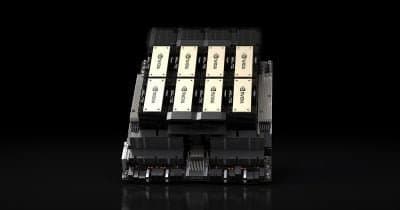
In a surprising turn of events, ZTE Kangxun Telecom, a subsidiary of ZTE, along with server manufacturer Maginfra, has received approval from the US government to purchase Nvidia’s H200 AI chips. This development marks a notable moment in the ongoing US-China trade relations within the tech sector, which have been closely monitored amid escalating tensions.
Expanding Access for Chinese Firms
The recent licenses, reported by Reuters, signify a significant expansion of the list of Chinese companies eligible to procure advanced US-made semiconductors. Up until this point, approvals were predominantly granted to China's largest internet firms. The inclusion of a telecom equipment manufacturer and a server maker hints at a potentially more inclusive approach from the US Commerce Department, even if the scale of transactions remains limited.
Small Shipments with Big Implications
According to US Under Secretary of Commerce Jeffrey Kessler, shipments of the H200 chips to China and Hong Kong have already commenced, despite being described as “very small” in quantity. The H200, while considered an older generation Nvidia chip, still falls under US export control regulations for sales to China. Following the announcement of these approvals, shares of both Nvidia and AMD saw an uptick, reflecting market optimism.
The Broader Context of US-China Relations
This approval is not an isolated incident. It comes as Beijing intensifies efforts to bolster its domestic chip production capabilities, with Huawei’s Ascend series being a notable example. Nvidia has also been reinforcing compliance checks in markets like Singapore, Malaysia, and Japan to prevent chips from reaching restricted buyers.
For American chip manufacturers, the implications of these licenses are meaningful, though not transformative. China represents a vast and enticing market for AI hardware, and each granted license is a step forward. However, the uncertainty surrounding large-scale access continues to loom, shaping how investors assess future earnings.
This article is for informational purposes only and should not be considered financial advice.