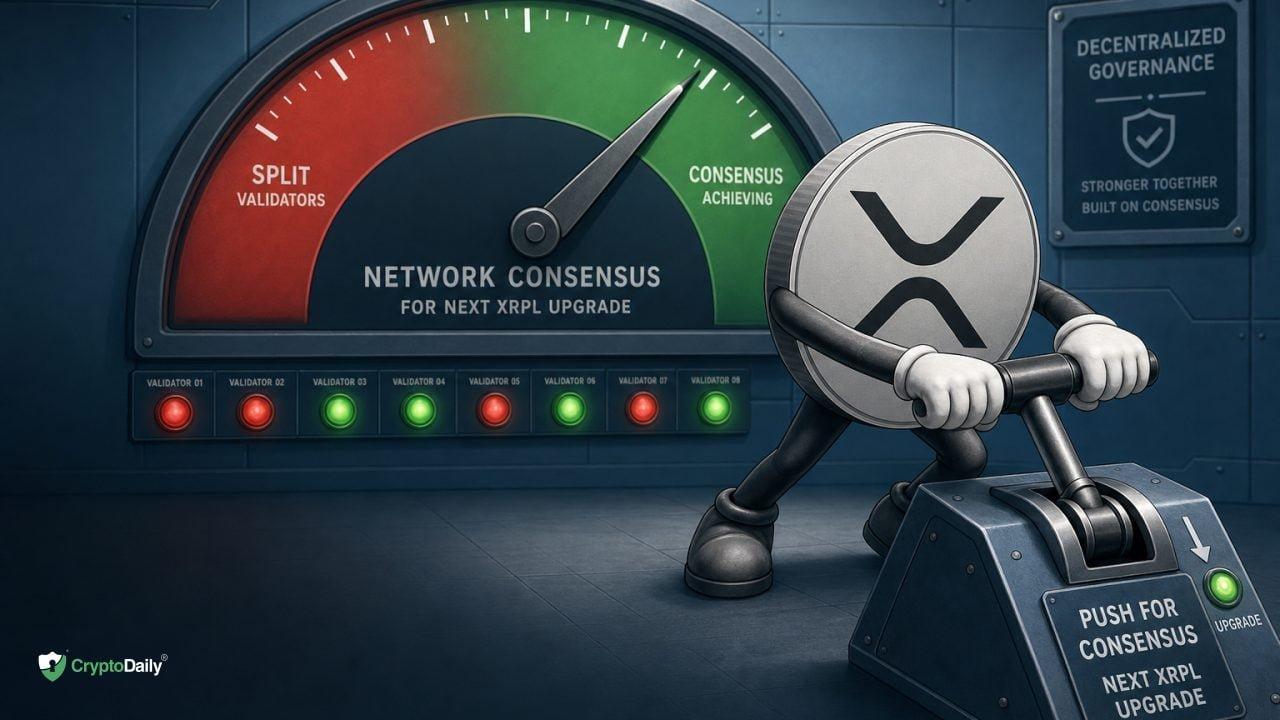
As of mid-June, the XRP Ledger rolled out a new server release, but while validators have acted swiftly to adopt it, the majority of nodes have not kept pace. This discrepancy has led to ongoing debates about whether the network is truly evolving or simply making noise about it.
The latest version, xrpld 3.2.0, is now live and a significant portion of the default validator set is already utilizing it. However, the key amendment associated with this release has yet to secure the necessary votes for activation. The obstacles arise from the fact that different parameters control the software versions and the governance votes, which do not always align.
Why This Matters to Users
For those monitoring the network's status, the divergence in validator statuses and node versions may seem bizarre. Understanding this situation is essential due to its implications for network stability and functionality moving forward.
- On June 15, 2026, XRPL reference server 3.2.0 was uploaded to GitHub.
- At least 31 out of 35 validators on the Unique Node List have adopted the new version, totaling approximately 89 percent.
- Overall, the XRPSCAN reports indicate around 833 active nodes, with 43 percent operating on version 3.2.0, while roughly 51 percent remain on 3.1.3.
This situation highlights the difference between version adoption and governance approval on XRPL. Although updates can be deployed swiftly, activating these changes still requires substantial voting support and a predefined time frame. For an amendment to take effect, it must achieve over 80 percent of favorable votes from trusted validators for a fortnight.
Understanding XRPL's Update Mechanics
To grasp why the network appears both split and stable, one must differentiate between the software deployment process and its governance outcomes. XRPL has structured its update flow with clear designations for software versions and consensus-driven feature activations.
Most operators rely on a trusted group of validators, known as the default UNL, to execute the consensus algorithm that finalizes the ledgers. Their software versions critically influence the network's performance and compatibility while their voting decisions shape governance outcomes. Amendments are not activated merely by installing new binaries; instead, they require an explicit votes and a sustained supermajority.
What's Next for XRPL?
Moving forward, stakeholders will need to observe how governance unfolds in the coming weeks. The main focus will be on whether the amendment can gather the requisite support and what implications this might have for the overall functionality of the XRP Ledger.
Disclaimer: This material is for informational purposes only and does not constitute financial advice.