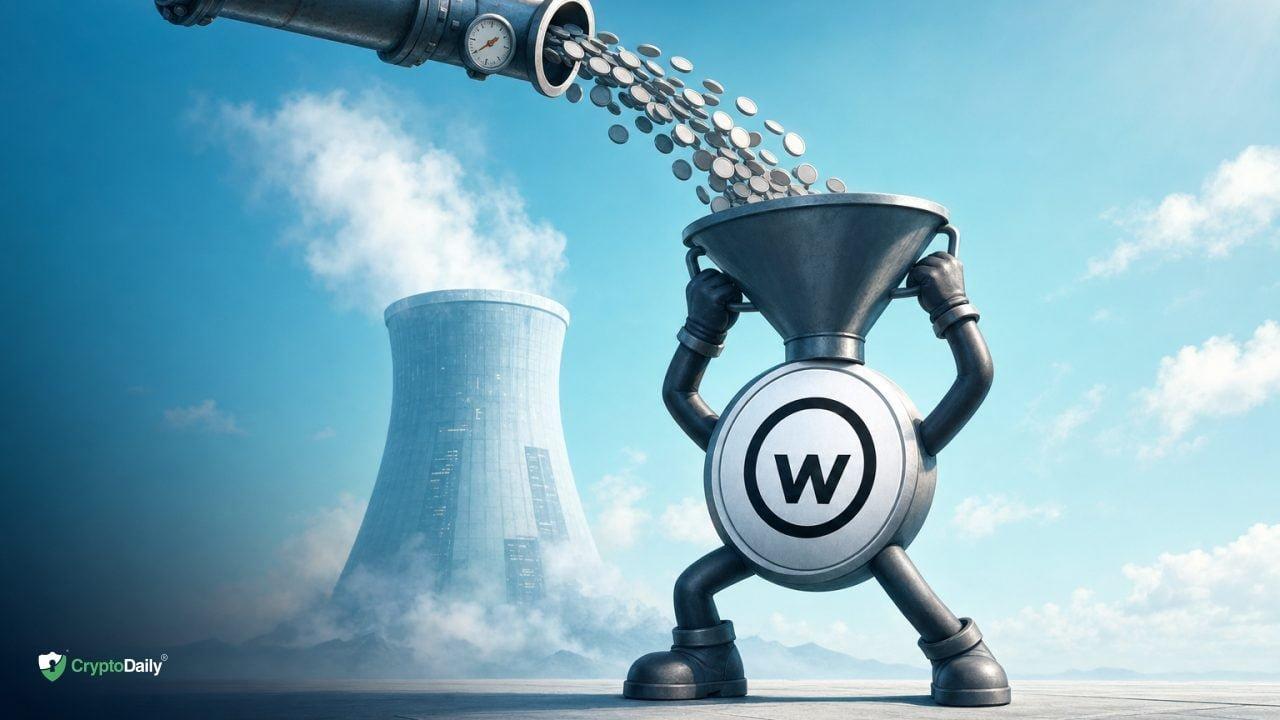
Every day, Worldcoin releases more WLD tokens into circulation, a process that is integral to its system. These tokens are distributed to operators of Orbs and verified users through grants. However, a pertinent question arises: can the market maintain its appetite for this steady supply while the demand for AI-related tokens diminishes?
Understanding the Significance of Worldcoin's Token Release
This dynamic is not purely a matter of supply versus demand. It involves multiple factors, including how quickly the newly issued tokens reach exchanges, the profiles of buyers, and whether the relevance of Worldcoin's identity features outweighs the initial excitement linked to AI.
- WLD is distributed daily through Operator and User Grants, with adjustable timing and size.
- Not all distributed tokens enter the market immediately; various factors can delay their sale.
- Interest in AI tokens has decreased, impacting the speculative landscape.
- While WLD is associated with AI, its true utility lies in identity verification.
Worldcoin's process for distributing tokens appears straightforward. Tokens are allocated to the community over a prolonged period, with regular grants to both Orb Operators and verified end users. The issuance structure is designed to facilitate the creation of a solid identity framework for the network.
In practical terms, there are three primary pathways through which WLD is available in the market:
- Operator Grants: Orb Operators receive tokens for the verifications they perform. Some operators quickly sell their allocations to recover costs, while others choose to hold or use over-the-counter (OTC) markets.
- User Grants: Verified users receive periodic grants, creating a steady, albeit small, influx of tokens. Aggregators might bundle these grants and sell them, leading to perceived increases in exchange volume.
- Treasury and Ecosystem Initiatives: Programs aimed at supporting developers, liquidity, or market makers can influence token supply over longer periods, not strictly within a daily framework.
A common misconception is equating daily emissions with immediate selling pressure. Instead, emissions suggest potential market entry, while actual transaction flows determine real changes in supply. Notably, the real-time adjustments in circulating supply may occur due to specific grant cycles rather than a consistent influx.
Looking Ahead: What to Monitor
As Worldcoin continues its token distribution strategy, stakeholders should keep an eye on various factors that could impact market dynamics. These include liquidity levels, the trading volume of WLD, and developments in the broader AI token market. Assessing market reactions will be critical in understanding how WLD fits into this evolving landscape.
Disclaimer: This material is for informational purposes only and should not be considered financial advice.