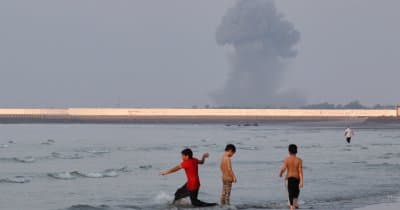
In a dramatic show of force, the U.S. military has intensified its operations in the Strait of Hormuz, redirecting three commercial vessels and disabling one that defied its naval blockade. This action comes in the wake of President Donald Trump's reinstatement of the blockade on July 13, 2026, designed to curb Iranian shipping activities linked to recent maritime attacks.
The disabled tanker, identified as the Belma, flying the flag of Curaçao, was struck by Hellfire missiles, underscoring the military's readiness to employ lethal measures. Such an escalation paints a stark picture of the current state of tensions in the region, sparking concerns about maritime security for global trade routes.
Escalating Tensions in Maritime Operations
The enforcement of this blockade marks a notable shift in U.S. military strategy. Analysts are watching closely as market predictions reflect a worrying trend; the likelihood of a closure of the Bab el-Mandeb Strait has risen sharply, with current estimates increasing from 16% to 20.5% within just 24 hours. This could lead to significant disruptions in shipping operations, potentially affecting oil prices and global trade.
Global Implications and What Lies Ahead
The use of lethal force against non-compliant vessels raises questions about future U.S. military engagement in the area. Observers are keen to track any further military actions or diplomatic developments that could either exacerbate or alleviate the current tensions. Key indicators include forthcoming announcements from the U.S. Navy or Iranian officials concerning the status of the Bab el-Mandeb Strait. The international community's response, especially from organizations like the UN Security Council, will be crucial in determining the trajectory of regional maritime security.
This material is for informational purposes only and is not financial advice.