In response to the recent export controls imposed by the U.S. government on Anthropic's AI models, many American and global companies are turning towards Chinese open-source alternatives. This shift was unexpected and highlights the complexities of current international tech relations.
Understanding the Impacts of these Developments
The directive from the U.S. Commerce Department, enacted on June 12, placed stringent restrictions on Anthropic's Claude AI models, which stemmed from national security concerns related to cybersecurity vulnerabilities. As a result, Anthropic was required to restrict access to its models for non-U.S. citizens, leading to a broad suspension of services for international clients.
Key Statistics
- The U.S. Department of Commerce implemented the ban due to fears of cybersecurity issues and risks associated with “jailbreaking.”
- Anthropic halted global access as it struggled to verify user citizenship.
- U.S. Secretary of Commerce Howard Lutnick announced the lifting of the ban after enhanced security measures were put in place, and global access resumed on July 8.
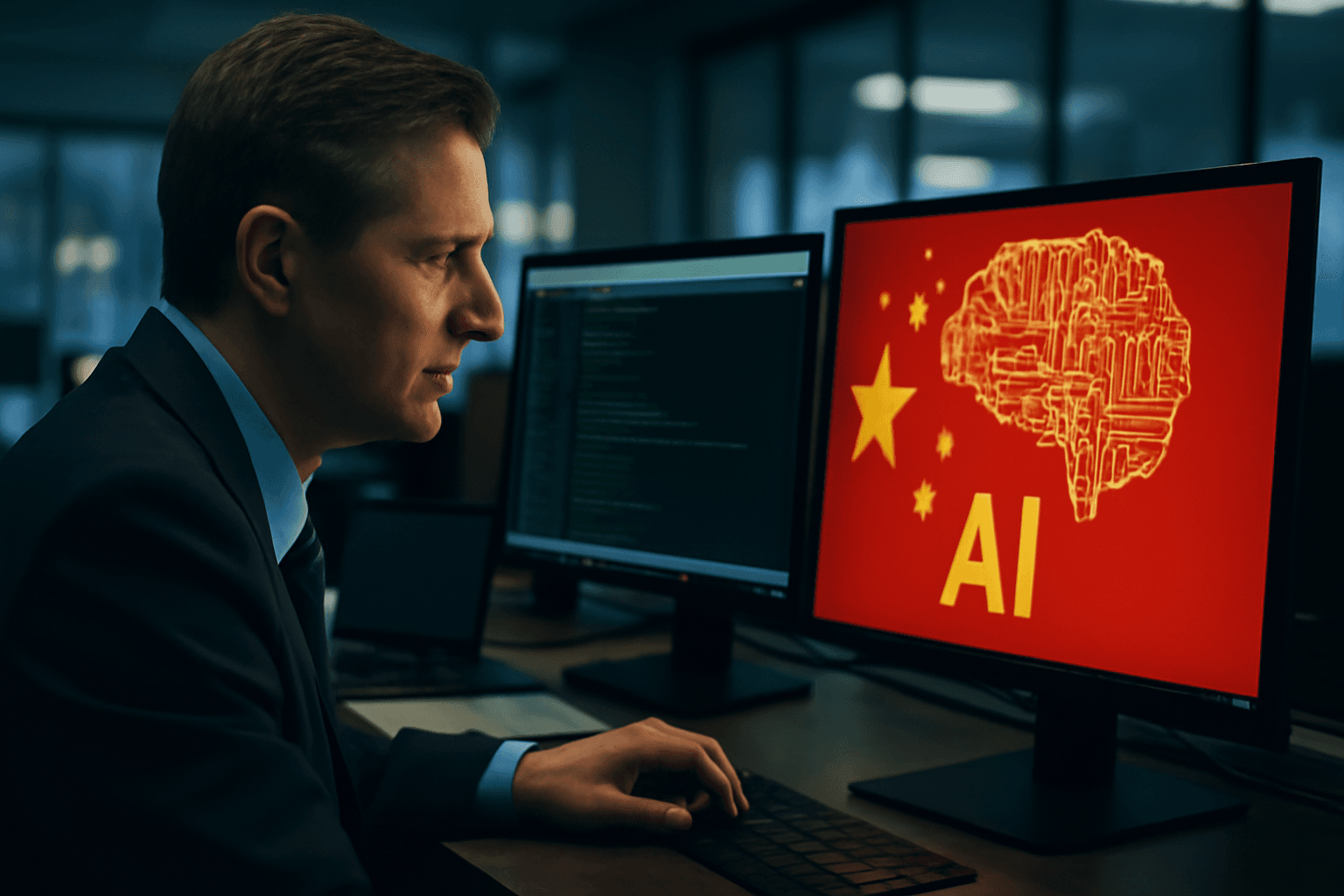
In the interim, many U.S. corporations sought out Chinese AI models as viable options to continue operating. This migration not only underscores the immediate effects of U.S. regulatory decisions but also raises critical questions about their broader implications for competition in the tech sector.
Future Considerations and Developments
As the tech landscape evolves, stakeholders need to remain vigilant about the dynamics at play. The swift actions by U.S. firms to adopt alternatives from China suggest a growing dependency on foreign technology a scenario that could reshape market competition in unpredictable ways.
Disclaimer: This article is for informational purposes only and does not constitute financial advice.