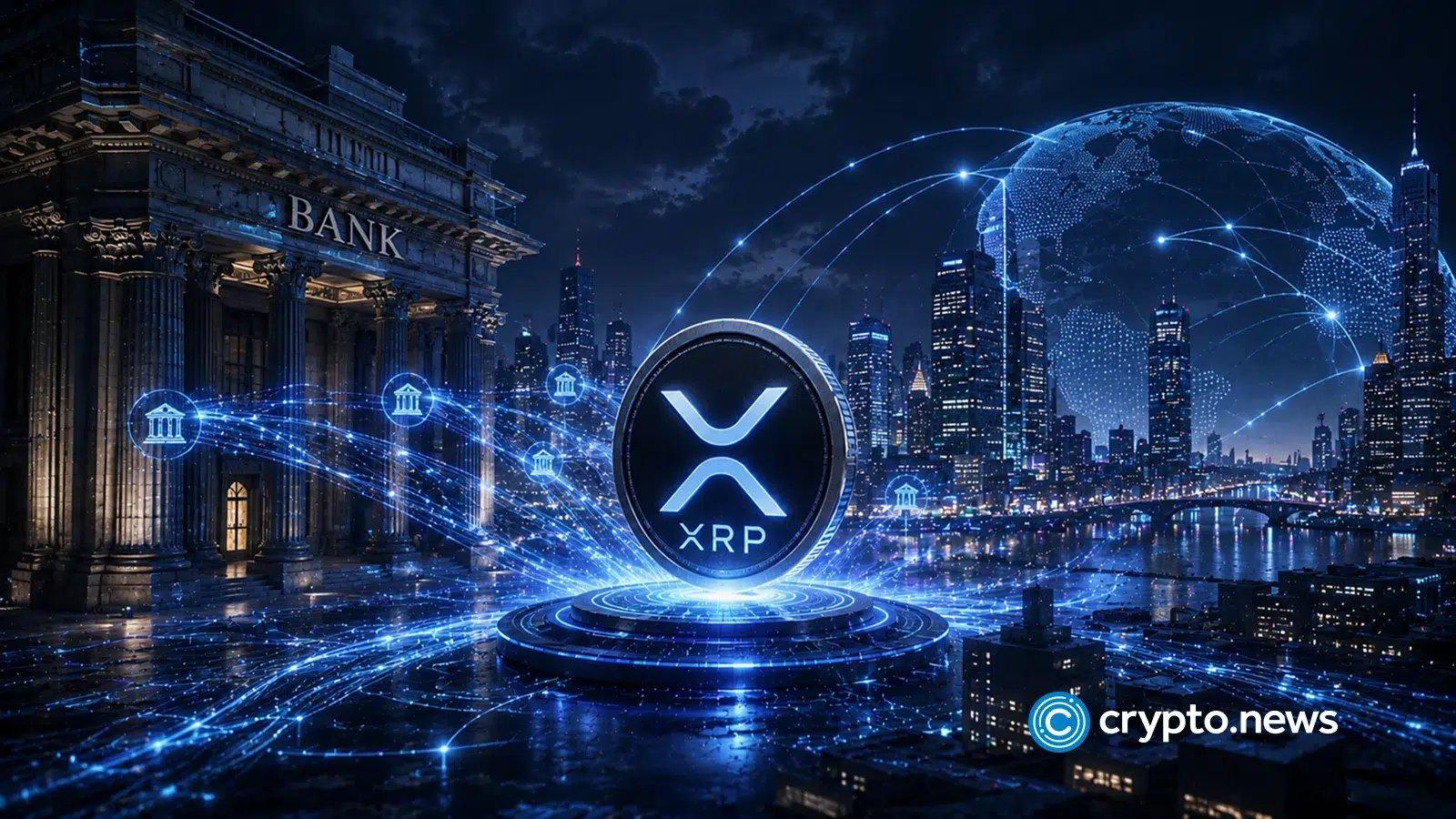
Each month, on the first day, one billion XRP is released from a series of locked contracts on the XRP Ledger. This monthly event sparks debates among traders and analysts about its implications. In this article, we’ll break down the intricacies of this process, exploring the origins of the escrow, how it functions, and the real impact on token availability in the market.
The Mechanics of the Monthly Unlock
On July 1, 2026, for instance, three distinct transfers were recorded on the XRP Ledger: 200 million XRP, 300 million XRP, and finally 500 million XRP, totaling one billion tokens valued at approximately $1.04 billion at that time. Notably, this release occurs automatically each month due to contracts established back in December 2017, without any manual intervention from Ripple.
This event is viewed as a ritual in the crypto community. Whale Alert is quick to report the large transfers, often leading to misleading headlines that suggest massive amounts of XRP have entered the market. Newer investors may feel anxious, while seasoned holders often remind them that a significant portion of these tokens are usually locked again shortly after.
The Purpose Behind the Escrow
The escrow was introduced as a response to concerns following the launch of the XRP Ledger in 2012. At that time, the entire supply of 100 billion XRP was created all at once. Unlike other cryptocurrencies, there was no mining or staking process; the full amount was available from day one. The founders allocated most of these tokens to Ripple, which subsequently used sales of XRP to fund its operations, partnerships, and development initiatives.
This strategy concealed a shadow over the market, as Ripple held over half of the XRP supply in accounts that could be tapped at any time. Thus, investors feared that Ripple could swiftly flood the market by selling enormous amounts of tokens during price surges, creating a lack of trust regarding the stability of the asset.
To mitigate these concerns, Ripple announced the creation of an escrow system in mid-2017. This mechanism was designed to impose limits on the amount of XRP that could enter the market, thereby offering more transparency and reducing the likelihood of sudden token sales that could destabilize prices.
Ongoing Debates and Tracking the Releases
The escrow plays a crucial role in ongoing discussions regarding XRP’s market dynamics. For example, Ripple CEO Brad Garlinghouse has criticized Bitcoin's financial structure, emphasizing that genuine long-term value should not rely solely on financial engineering. Critics counter this by pointing out that Ripple finances a portion of its operations by selling tokens from the escrow every month. Understanding this system is essential for grasping the wider debate surrounding Ripple’s practices.
This guide aims to provide clarity on the entire escrow process: from its inception and the challenges it addresses to how released tokens are sold and how much XRP truly circulates each month. Staying informed about this mechanism is critical for anyone involved in the XRP market.
For more insights into Ripple's strategies, check out Ripple and Strategy: A Clash of Crypto Titans.