The world of Non-fungible Tokens (NFTs) is rapidly evolving, captivating investors looking to diversify their portfolios from digital art to real estate. The original programmable blockchain has created a path for these unique digital assets, and now Bitcoin is joining the fray. Known as ordinals, Bitcoin NFTs offer a new avenue for users to explore the blockchain's potential.
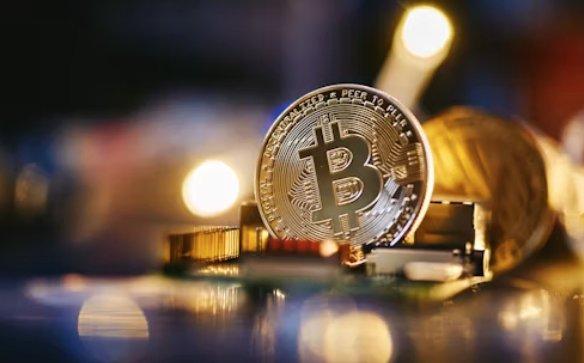
As the leading cryptocurrency, Bitcoin's venture into the NFT space began on January 20, 2023. This move signifies a shift towards a more programmable ecosystem, broadening Bitcoin’s use cases beyond merely being a store of value. Ordinals are unique numeric codes inscribed on the Bitcoin blockchain, resembling the traditional NFTs on Ethereum. They allow for the tokenization of diverse assets, including digital art and even real estate.
What Are Bitcoin Ordinals?
While Ethereum has long dominated the NFT market, Bitcoin's ordinals are bringing fresh opportunities. Each ordinal is linked to a Satoshi, the smallest unit of Bitcoin, enabling the addition of various data formats such as images and texts. The versatility of ordinals means they can function as both non-fungible and fungible tokens, allowing them to cover transaction fees or serve as a standard Bitcoin payment.
The latest advance in Bitcoin’s NFT ecosystem includes runes, fungible tokens that expand the traditional NFT framework. Marketplaces like Magic Eden are at the forefront, allowing users to buy and sell these transformative assets. The potential applications for NFTs on the Bitcoin network are vast, ranging from data storage and digital art creation to gaming and digital real estate.
How Do Bitcoin Ordinals Function?
Each Satoshi is assigned an ordinal number based on its mining sequence, ensuring uniqueness. This system allows developers to inscribe data onto the Bitcoin blockchain effectively. The technical process of creating an ordinal involves several steps:
- Data Conversion: Converting data into hexadecimal format.
- Script Creation: Wrapping the hexadecimal code in a smart contract.
- Transaction Processing: Completing the transaction to finalize the NFT creation.
This innovative approach is reshaping how we view and utilize Bitcoin, enhancing its capabilities and attractiveness to a broader audience.
This material is informational and does not constitute financial advice.