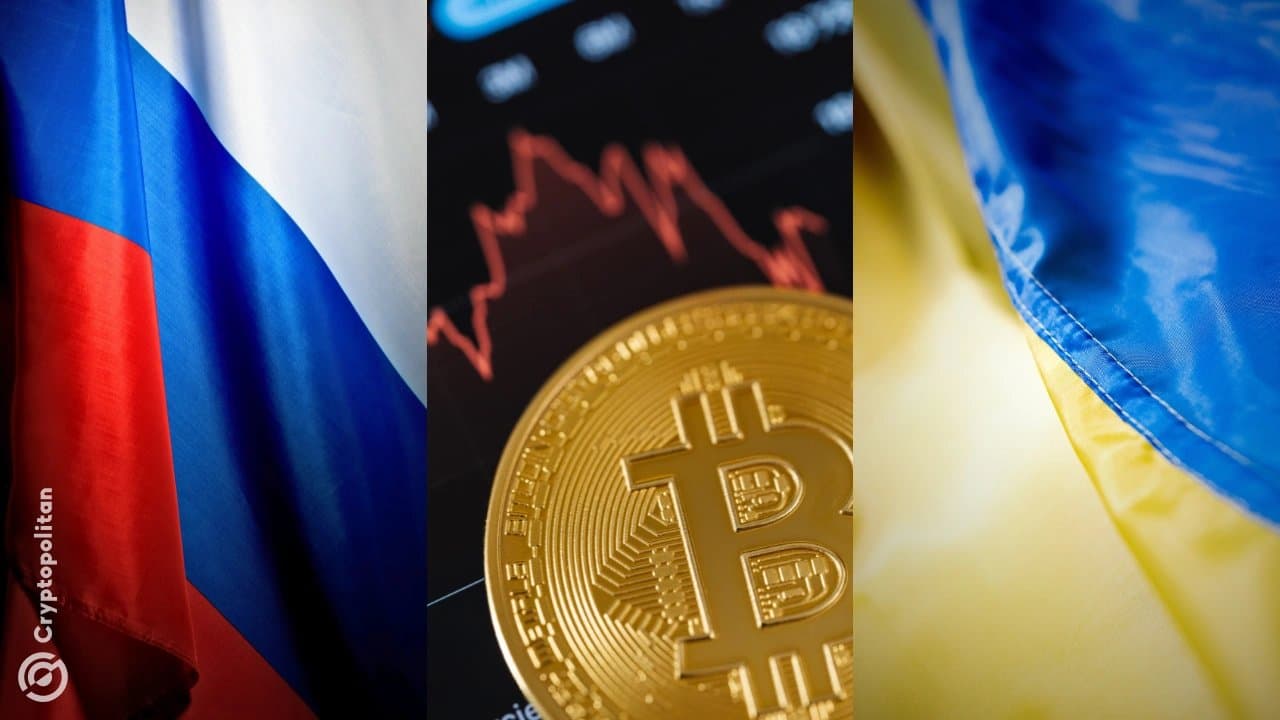
Ukraine is tightening its financial restrictions on Russia, specifically targeting cryptocurrency platforms and transactions. This decision aligns with the European Union's latest sanctions against Moscow but expands upon them in key areas.
President Volodymyr Zelenskyy has signed a decree formalizing these measures, which were originally introduced by Ukraine's National Security and Defense Council (NSDC) back in February 2023. The initial sanctions focused on Russian banks and financial institutions, but the new amendments aim to prevent Moscow from using modern financial tools, such as cryptocurrencies and stablecoins, to bypass these restrictions.
According to Vladyslav Vlasiuk, Ukraine's chief sanctions officer, Russia has increasingly resorted to employing cryptocurrency infrastructure and ruble-pegged stablecoins for international transactions, often defying international sanctions. The newly introduced measures will prohibit transactions involving virtual assets linked to Russia, as well as the use of services that facilitate these financial flows.
The latest updates to Ukraine’s sanctions regime indicate a serious commitment to disrupt any financial channels that could support Russia's ongoing military efforts. The National Bank of Ukraine (NBU) proposed these amendments to ensure that existing sanctions remain effective for a substantial period, specifically for 50 years.