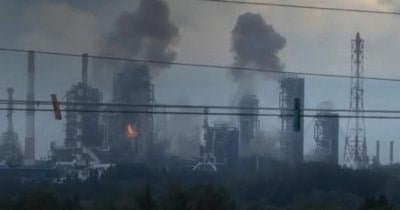
Fuel prices in southern Russia have surged after Ukraine launched targeted strikes on Russian energy infrastructure. These attacks, focusing on oil tankers and cargo vessels in the Azov Sea, have caused shipping routes to shut down, directly impacting grain exports and sparking a fuel shortage across Russia.
Disrupting Russia’s Energy and Agricultural Supply Chains
Ukraine’s military utilized long-range drones to hit Russian vessels that supply Crimea, leading to a halt in maritime shipments. This suspension reduced Russia’s domestic gasoline output sharply, forcing rationing measures nationwide. The blockage of grain exports a critical part of the global wheat market has sent shockwaves through commodity prices, stirring fears of further inflation in food costs.
Market analysts are watching these developments closely. The strain on Russia’s logistics could tip the balance in Ukraine’s favor, possibly paving the way for renewed advances into contested regions like Crimea. The sustained pressure on Russian military and economic operations reinforces scenarios where Ukraine might reclaim lost territory, altering regional dynamics significantly.
Observers should pay attention to ongoing Ukrainian strikes and any shifts in territorial control, especially in Crimea. Confirmed incursions or Russian withdrawals would influence global markets and geopolitical calculations. Meanwhile, updated maps from the Institute for the Study of War will be vital for tracking progress.
This story relates to broader security and supply chain disruptions already impacting global markets, similar to recent tensions affecting maritime routes and energy flows.