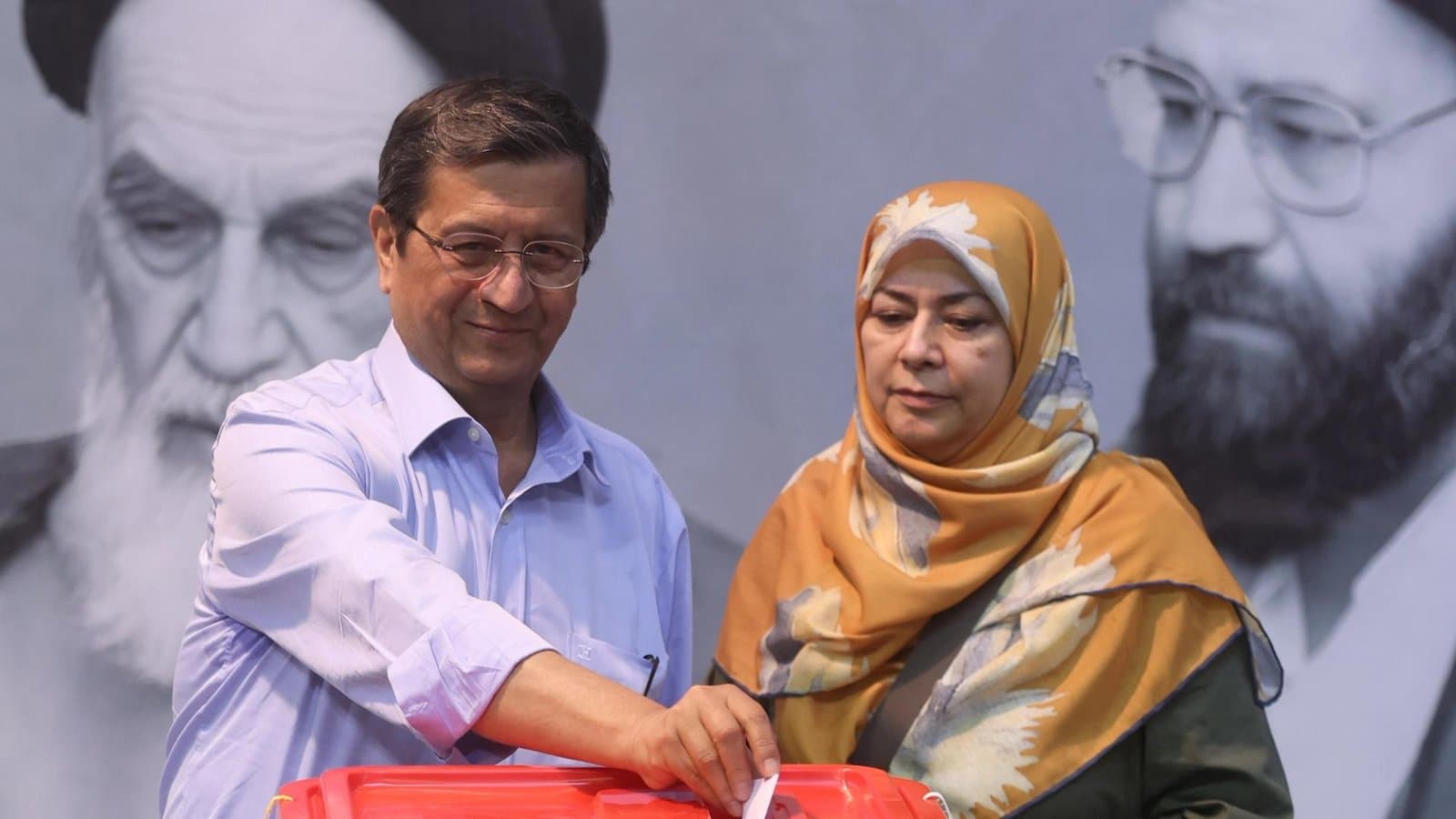
The U.S. Treasury has imposed sanctions on four cryptocurrency wallets tied to the Central Bank of Iran, leading Tether to freeze $131 million worth of USDT. This move follows the breakdown of a ceasefire agreement, escalating tensions once again.
These wallets, operating on the TRON blockchain, previously held over $165 million in stablecoins. The freezing of these funds means that those who control these addresses can no longer transfer or redeem the money, although the funds still technically remain under their control.
The sanctioning effort has become important as it provides exchanges and compliance agencies with specific addresses to monitor. According to Chainalysis, Iran's central bank had accumulated around $507 million in USDT, using it to bolster the rial amidst economic strains. The recent sanctions are an extension of ongoing measures against the bank, which has been under U.S. counterterrorism restrictions since 2019 due to its affiliations with groups like the Islamic Revolutionary Guard Corps-Qods Force and Hezbollah.
Significant Amounts Blocked
This latest action brings total blocked USDT associated with Iran’s central bank to approximately $475 million, following a previous freeze of $344 million in April. The U.S. Treasury's Office of Foreign Assets Control (OFAC) stated that the published lists of wallets may not cover all the addresses that could be considered blocked properties.
Tether, the company involved in these transactions, has flagged substantial funds making their way from institutional liquidity providers and payment processors based in Asia to these Iranian wallets. The freezing of funds serves as a clear message of the U.S. commitment to enforcing sanctions, particularly in the landscape of cryptocurrency.
The implications of such actions extend to the broader market as well, with exchanges needing to adapt quickly to manage compliance risks. The freezing of these accounts not only impacts Iran's financial strategies but also creates ripples throughout the crypto ecosystem as other players look to safeguard their operations against potential sanctions-related fallout.
This article is for informational purposes only and does not constitute financial advice.