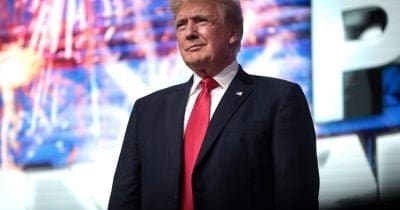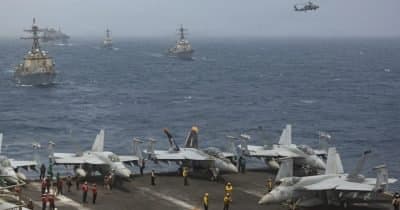
In a bold move, President Trump has proposed implementing a 20% cargo fee on all shipments traversing the Strait of Hormuz, a crucial passage for global oil and LNG trade. This suggestion comes amid escalating tensions between the U.S. and Iran, as the U.S. has reinstated a naval blockade on Iranian ports.
The aim of this proposal is to establish the U.S. as the 'Guardian of the Hormuz Strait' by financing security operations in the region. However, this initiative is in direct opposition to Iran's existing toll demands and raises concerns regarding its compatibility with international maritime law, which prohibits such fees in significant maritime routes.
Approximately 20% of the world's crude oil shipments pass through the Strait during peacetime. Currently, commercial traffic has been severely restricted due to the ongoing conflict between the U.S. and Iran, sparking fears of an uncertain future for shipping in this vital corridor. Market participants are already adjusting their expectations, reflected in declining confidence levels.
As all eyes turn to Iran's potential response to this proposal, the implications could either heighten or reduce tensions in the region. Observers are keeping a close watch for any announcements regarding peace deals or agreements that may signal a path toward normalizing traffic through the Strait. Changes in this status could significantly impact oil prices, reflecting market anticipations regarding the duration and effects of the closure.
This article is for informational purposes only and does not constitute financial advice.