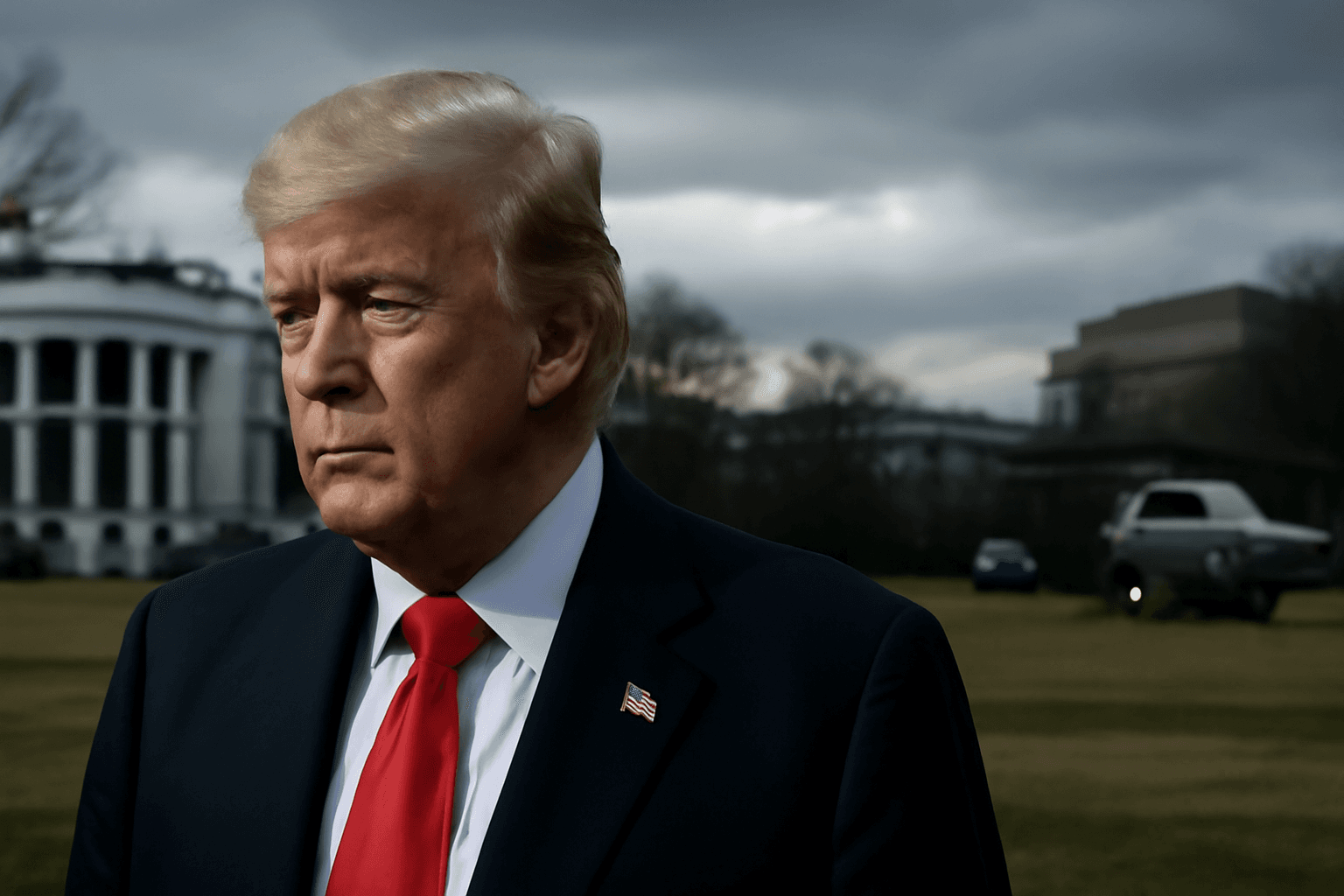
In a recent post on Truth Social, President Donald Trump touted a 59% approval rating, attributing the decline in gas and oil prices to his leadership. However, this claim contrasts sharply with the reality of current market conditions, especially as new US strikes on Iran sent crude oil prices soaring.
While Trump is asserting a strong approval figure, independent poll aggregators such as The Economist and FiftyPlusOne report his actual approval rating hovering between 37% and 40%, with a disapproval rate near 59%. This discrepancy raises questions about the accuracy of Trump's self-assessment amidst ongoing geopolitical tensions.
Current Oil Market Trends
On the day Trump made his announcement, Brent crude oil prices surged nearly 4%, reaching $78.67 a barrel, and continued to climb following new military operations in Iran. This spike is significant given that the Strait of Hormuz, through which about 20% of the world's oil supply flows, is currently embroiled in conflict. The US has conducted multiple rounds of strikes against Iranian targets, prompting Iran to respond by threatening closures of the strait, a claim that US Central Command has denied, asserting that maritime traffic remains unaffected.
Despite Trump's claims of improved oil prices, data shows otherwise. As of now, the national average gas price sits at about $3.87 per gallon, which is an increase of approximately 30% since the onset of the war in February. Although there was a brief dip from a peak of $4.56 around Memorial Day, experts attribute this to temporary factors and not a sustainable trend.
The Broader Implications
The situation in Iran and the fluctuating oil prices could have significant repercussions not just for American consumers, but also for global markets. The resumption of hostilities could lead to further instability in the oil sector, raising concerns about supply disruptions. As the conflict escalates, analysts are left pondering how these developments will affect market dynamics throughout the week.
With tensions rising and Trump's claims clashing with the realities of environmental and economic data, it remains to be seen how the public will respond to both the political messaging and the actual issues at play. The apparent disconnect may influence public perception as the situation evolves.
This material is for informational purposes only and should not be considered financial advice.