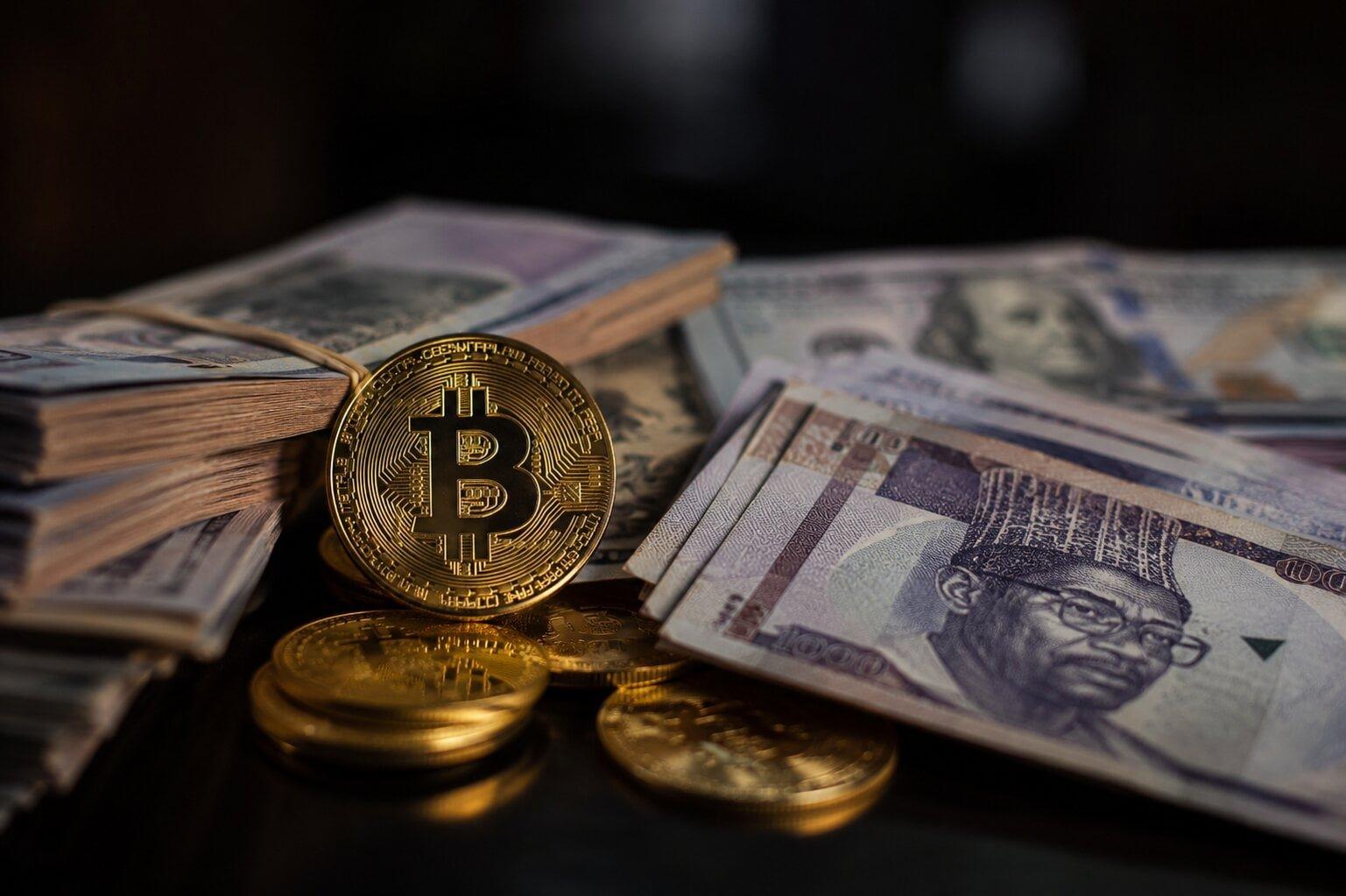
As cryptocurrency exchanges evolve, the demand for trading pairs extends beyond just the US dollar and euro. Users often seek specific objectives such as buying USDT with their local currencies, converting Bitcoin into fiat, or handling international transfers. Consequently, local fiat currencies are gaining significant traction in the exchange market.
Understanding the Significance of Local Currencies in Crypto
The exchange process is crucial for users looking to transact with local currencies like the Nigerian naira (NGN) and the Vietnamese dong (VND). These fiat currencies play an important role as users engage in routine transactions involving local money, stablecoins, and Bitcoin. Common activities include:
- Buying USDT using local currency
- Acquiring Bitcoin for the first time
- Exchanging USDT for fiat currency
- Receiving international funds and converting them into local money
For example, if a user intends to convert Bitcoin to naira today, they can utilize platforms like BestChange to explore various options and compare exchange rates, reserves, and transaction terms.
The Growth of Cryptocurrency Demand in Emerging Markets
In areas with less developed financial systems, the demand for cryptocurrency exchanges tends to increase, mainly where traditional financial transactions incur high costs, face delays, or are limited by restrictions. Factors such as inflation, currency volatility, and expensive international transfer fees contribute to this upward trend. In such scenarios, digital assets emerge as a viable alternative for swift conversions.
Between July 2024 and June 2025, the on-chain cryptocurrency transaction volume in Sub-Saharan Africa surged past $205 billion, marking a 52% increase and establishing the region as the third fastest-growing crypto market worldwide. Notably, over 8% of these transactions were transfers under $10,000, indicating a rising need for conversion routes between local currencies and cryptocurrencies like TRX and naira, contrasting the focus on major stablecoins such as USDT and USDC.
Regional Insights and Future Outlook
Africa and Southeast Asia are at the forefront of this evolving trend for various reasons. By 2030, Africa is projected to house approximately 42% of the global youth population, fostering a robust framework for the adoption of digital financial services. The high cost of receiving international remittances in Sub-Saharan Africa, the most expensive globally, amplifies this trend. On average, transferring $200 incurs an 8% fee, while bank transfers may reach upwards of 15%. In comparison, using stablecoins can reduce these costs by about 60%.
Disclaimer: This material is for informational purposes only and should not be considered financial advice.