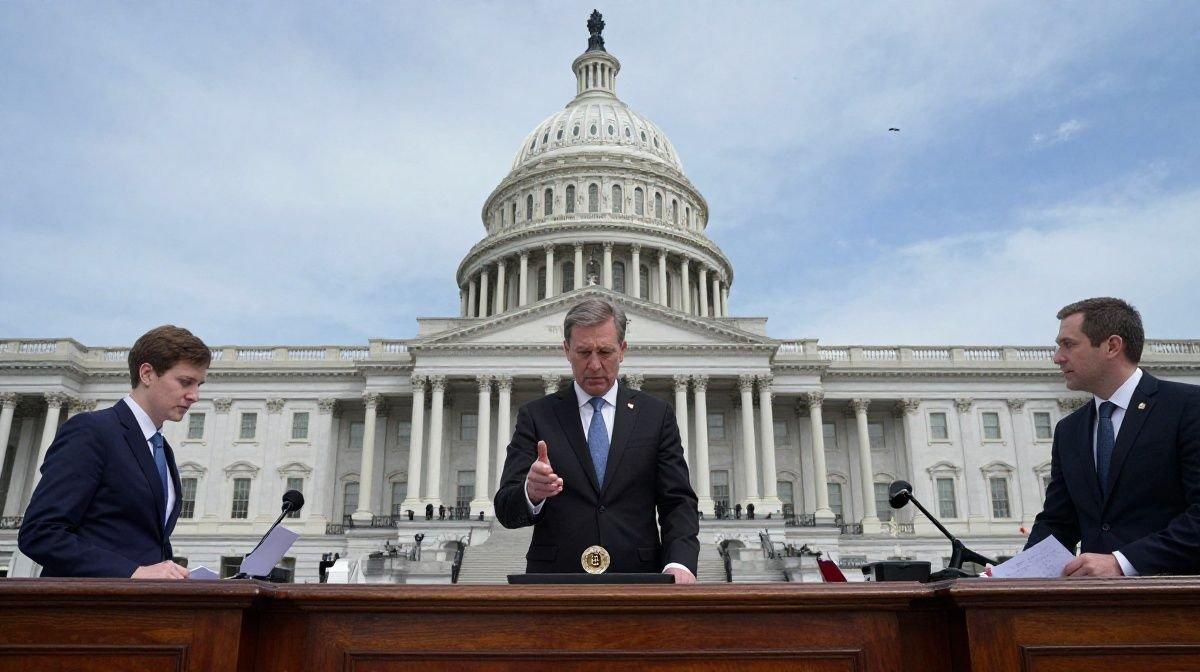
The Trump administration is making a significant push to get the crypto market structure bill approved before lawmakers head out for their break. Ongoing negotiations among Republicans aim to bring the crypto bill to the Senate floor prior to Congress's August recess, despite encountering obstacles regarding the level of authority state attorneys general should possess in enforcing ethical standards.
This situation isn't merely a political maneuver for traders; the CLARITY Act is perceived as a crucial regulatory factor currently influencing the market. The forthcoming weeks may determine if it serves as a catalyst for price movement or turns into yet another setback.
What Exactly is the CLARITY Act?
Officially known as the Digital Asset Market Clarity Act, or H.R. 3633, this legislation seeks to clarify a long-standing issue in the U.S. crypto sector: delineating regulatory responsibilities. The bill aims to distinguish the SEC’s authority over securities from the CFTC’s oversight of commodities as they pertain to digital assets. Additionally, it addresses matters such as token classification, DeFi regulations, and consumer protections.
Major hurdles have already been crossed. The CLARITY Act was approved by the House with a vote of 294-134 in July 2025, and in May 2026, the Senate Banking Committee moved it forward with a 15-9 vote. By June 1, 2026, it was officially added to the Senate Legislative Calendar, making it ready for consideration by the full Senate.
The Importance of the August Recess
Timing is of the essence in this matter. A coalition of over 200 organizations, including major players like Coinbase and Ripple, is urging the Senate to act swiftly before the recess, cautioning that any delay could jeopardize the bill's prospects in this session.
The math presents a challenging scenario. After the bill is finalized merging various committee versions and incorporating an ethics component the Senate leadership would need to allocate time for debate, potentially taking an entire week from the few remaining days before the August break. Missing this window could push any opportunities for a vote into September or an uncertain post-election “lame duck” period.
One crucial figure stands out: a full Senate vote requires a supermajority of 60 votes to break a filibuster, and committee approval does not equate to guaranteed passage.
Potential Repercussions for Bitcoin's Price
For those closely monitoring their investments, the situation could have important implications. Currently, markets are in a waiting pattern.
Bitcoin is consolidating in the low $60,000 range as traders remain cautious until the Senate makes its decision. This investor uncertainty often leads to a significant price movement once clarity is achieved in either positive or negative directions.
Analysts are optimistic about the bullish potential if the bill passes cleanly. It could eliminate one of the major uncertainties that has been hovering over the market by providing:
- Institutional clarity: The bill might establish clearer regulations regarding token classifications and operations of exchanges.