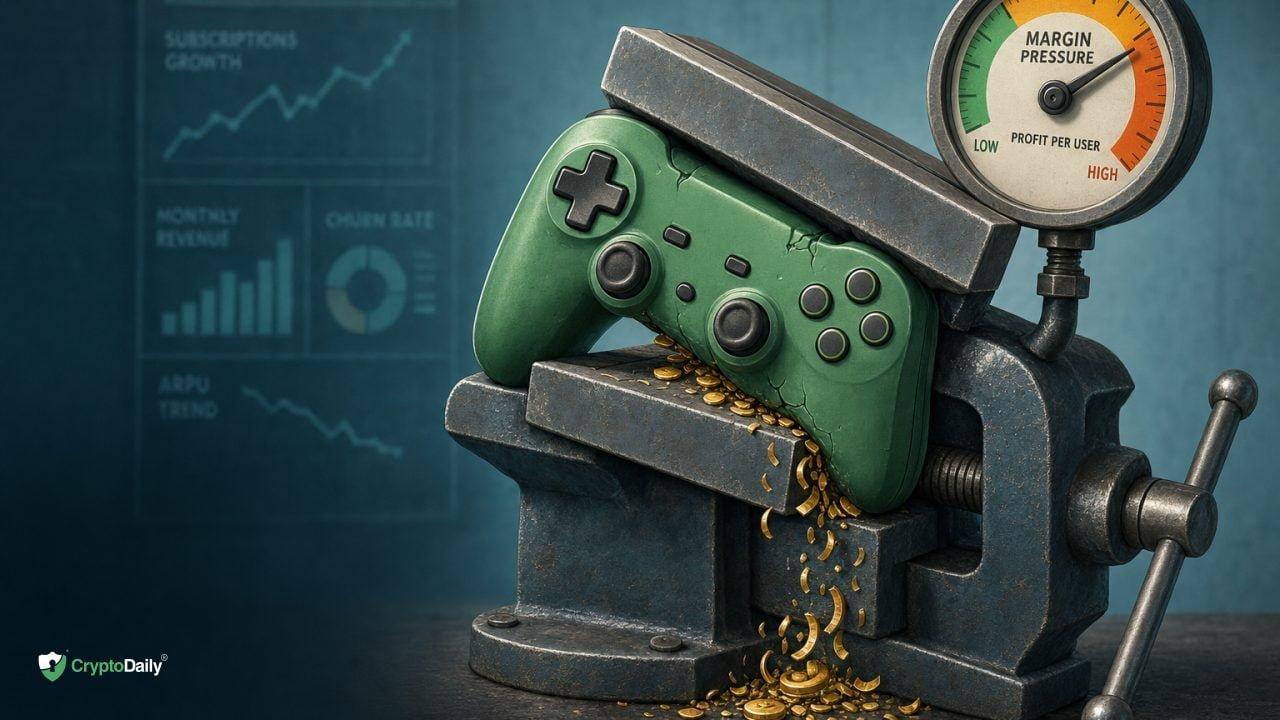
The gaming industry was expected to benefit from subscription services, which would streamline revenue flows and reduce the volatility traditionally associated with game launches. However, recent developments have revealed a concerning trend: Xbox's profit margins are diminishing due to increasing costs related to hardware and cloud services, alongside the pressure caused by content available on release day.
The current state of Xbox highlights a critical issue in subscription economics, where the cost of providing day-one content, combined with hardware subsidies and the rising prices of storage and cloud services, significantly cuts into profits. Investors are becoming wary of business models that depend heavily on expensive content to keep monthly fees stable. They are shifting their focus toward companies that show effective monetization strategies, including optimized content windows, improved microtransactions, and more predictable returns on investments.
Xbox recently communicated its expectation of achieving a marginal accountability of only around 3% for the fiscal year, indicating a precarious situation for a company that is heavily invested in premium content and innovative technology. Over the past five years, Xbox has spent more than $20 billion on content development and hardware support, yet their revenue has decreased by nearly $500 million, revealing a troubling disconnect between expenditure and income.
Additionally, the platform is grappling with substantial increases in hardware costs. For instance, Xbox reported that the prices of storage components they purchase have surged, more than doubling since last fall, with projections suggesting prices could reach five times higher than just two years ago by the holiday season of 2027. This surge in costs is likely to impact profitability across the board, hindering the economics of new console sales.
Despite the daunting challenges, Xbox claims to reach a substantial audience, boasting over one billion players who collectively spend around 72 billion hours engaging with its consoles, PCs, and mobile devices each year. Thus, the scale is impressive, yet the crux of the issue lies in the monetization aspect, as engagement does not necessarily equate to generating equivalent revenue.
As Xbox reevaluates its financial strategies in light of these pressures, it becomes clear that major shifts are necessary for sustainability. The current landscape of gaming subscriptions is shifting, and gaming companies must adapt to remain viable in an environment marked by inflation and increasing operational costs. Investors should keep a close eye on Xbox's upcoming financial reports as it navigates this challenging fiscal period and consider the implications for broader gaming industry trends.
This article is for informational purposes only and does not constitute financial advice.