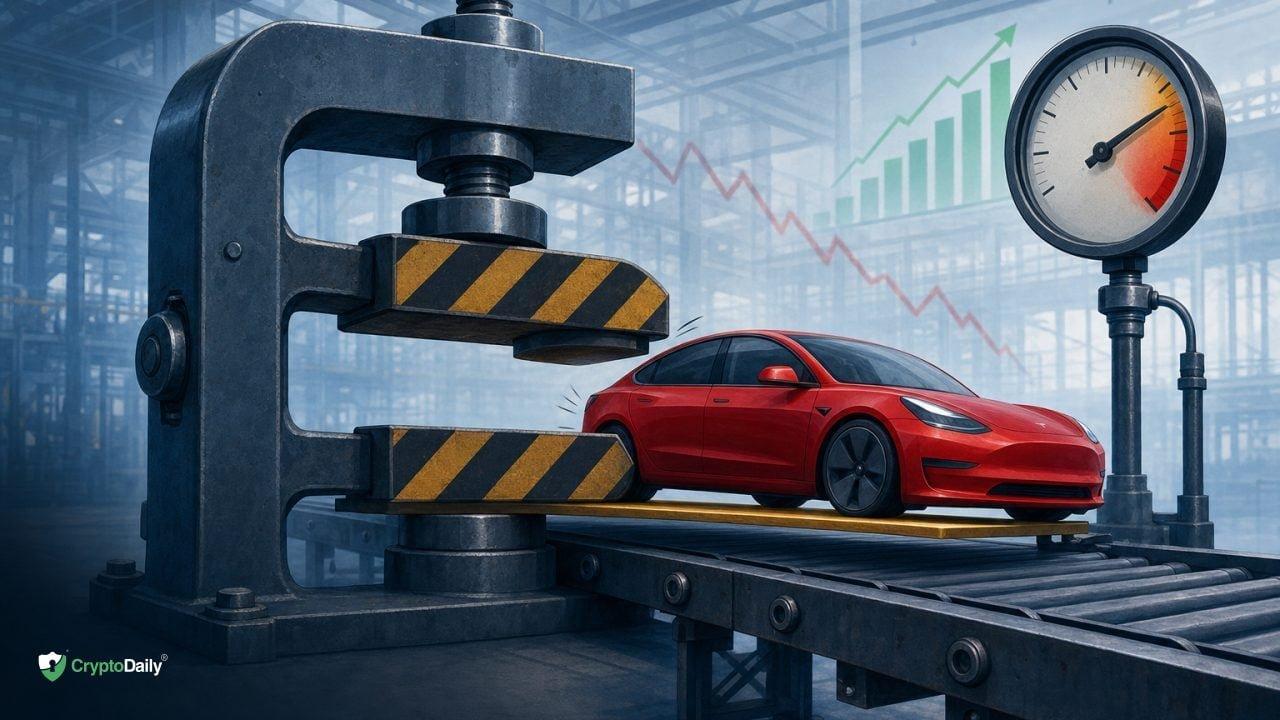
Tesla has made headlines with impressive delivery numbers for Q2, yet surprisingly, its stock took a dip. This contradiction highlights ongoing debates surrounding the company’s profit margins.
Highlights of Q2 Performance
In the second quarter, Tesla achieved a remarkable total of 480,126 vehicles delivered, surpassing its own production figures of 451,758.
This performance notably exceeded analysts' expectations, as the consensus projection stood at only 406,024 vehicles. This marks an impressive 18.3% beat compared to the estimates shared by the company.
Despite these strong numbers, Tesla’s stock faced a decline, dropping around 6.6% during trading on July 2. This reaction signals investor concern shifting toward the visibility of profit margins ahead of the upcoming earnings report on July 22.
Understanding the Market Reaction
While the delivery figures look favorable, the underlying factors contribute significantly to investor sentiment. The market is closely scrutinizing aspects like the average selling prices (ASP), discount practices, and product mix.
The key to maintaining confidence lies in answering pressing questions: How much discounting was necessary to achieve these sales? Did lower-priced base models drive the majority of sales? Furthermore, are gains in factory efficiency outweighing declines in ASP?
The Broader Picture Beyond Vehicles
On a broader scale, Tesla’s energy division also showed significant growth, reporting a deployment of 13.5 GWh in energy storage during Q2. This achievement demonstrates strong expansion beyond just automotive sales.
Investors, however, are keenly aware that while delivery volumes are promising, they don’t necessarily translate to enhanced profits. The skepticism surrounding profitability stems from concerns about the margins that will be realized in these transactions.
Looking ahead, stakeholders need to consider various financial indicators, such as auto gross margins excluding credits, sales trends, and overall energy profitability.
As we approach the anticipated earnings report, Tesla's ability to present solid margin visibility will be crucial for renewing confidence among investors, especially after a quarter that showcased strong delivery execution but unanswered questions about profitability.