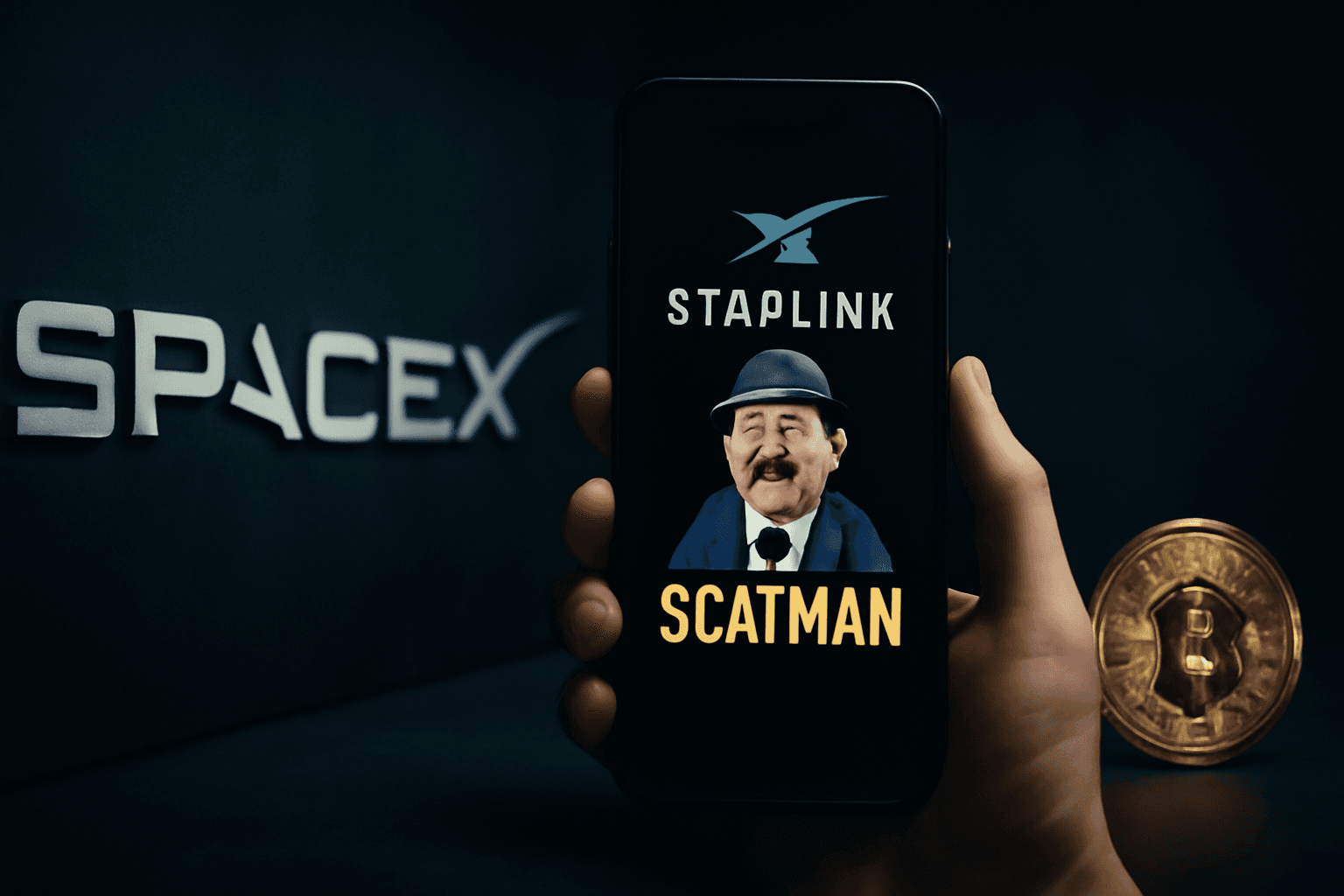
On July 12, a significant breach occurred when the verified X accounts of SpaceXAI and Starlink were hijacked to promote a newly launched memecoin called SCATMAN. This incident briefly inflated the token's market capitalization to an impressive $32 million on the Robinhood Chain, highlighting the vulnerabilities that exist within digital asset trading environments.
The attackers minted a staggering 10 trillion SCATMAN tokens and managed to liquidate them for approximately 73.7 ETH, equating to around $135,000. Initially flagged by on-chain data platform Solanafloor, the breach quickly drew attention to how easily corporate credibility can be leveraged for fraudulent schemes.
Details of the Attack
The hacker's approach was a classic one: they compromised the Twitter accounts of two well-known companies associated with Elon Musk. The promotional posts for SCATMAN circulated widely among the millions of followers of SpaceX and Starlink before the companies regained control and deleted the infringing content. According to Lookonchain, the hacker's activities included dumping a total of 59.28 million SCATMAN for 14.7 ETH, further compounding the total earnings from this nefarious operation.
Implications for New Trading Platforms
This event unfolded on the Robinhood Chain, a new layer-2 network that launched just a few weeks prior. While its permissionless design offers accessibility for emerging projects, it has also led to a surge in scam tokens, drawing warnings from platforms like Relay Protocol about the proliferation of honeypot tokens assets designed to trap investors. As highlighted in a recent report, the early days of Robinhood Chain have been marred by fraudulent activities, making it a challenging environment for legitimate projects to gain traction amidst a backdrop of rising scams.
The SCATMAN incident underscores the growing intersection between hacking, social media manipulation, and cryptocurrency fraud. As the digital financial landscape continues to evolve, investors and platforms alike must remain vigilant against similar attacks that exploit brand recognition to deceive unsuspecting users.
This content is for informational purposes only and should not be considered financial advice.