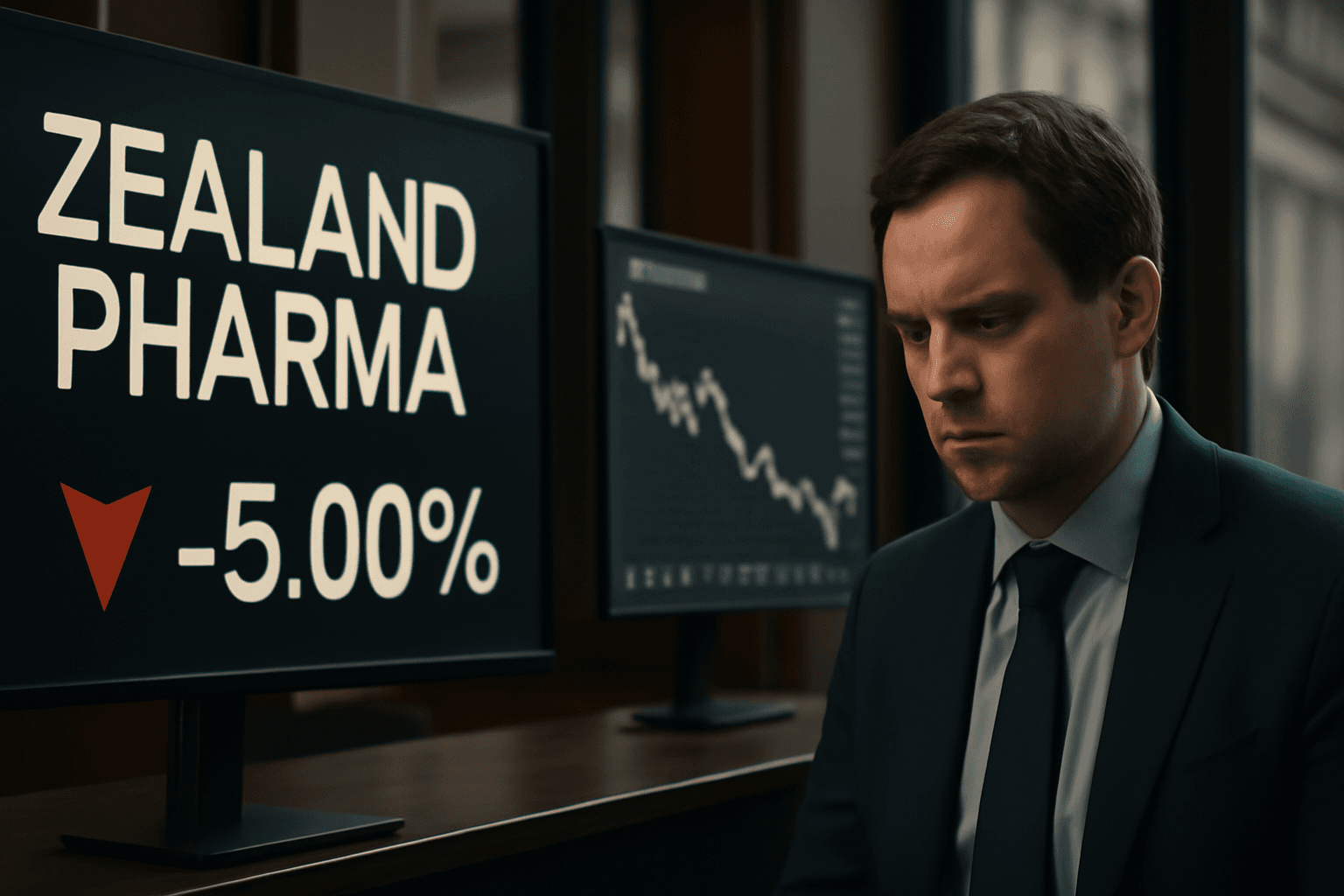
Shares of SK Hynix's American Depositary Receipts (ADRs) soared by 6.2% to $161.83 in early trading, reflecting a 26% premium compared to their South Korean counterparts, which closed at 1.913 million won ($1,279.90). This surge comes on the heels of a tumultuous trading day where the stock had previously dropped as much as 9% before rallying, underscoring the volatility following its record-breaking Nasdaq debut.
Last Friday, SK Hynix made headlines by raising a staggering $26.5 billion in its initial public offering, marking the largest U.S. listing by a foreign company. The initial enthusiasm saw the ADRs surge nearly 13% on the first trading day. However, profit-taking led to significant declines on Monday, with shares plummeting about 15% in South Korea. The rebound observed on Tuesday indicates strong interest from U.S. investors, contrasting sharply with the sentiments in the local market.
Market Dynamics and Valuation Insights
The disparity between the U.S. and South Korean trading environments illustrates a notable trend. The premium indicates solid demand from U.S. investors, who are willing to pay more for the shares. As of Monday, SK Hynix’s ADRs traded at a forward price-to-earnings ratio of 5.71, notably cheaper than Micron Technology, which stood at 6.55. This pricing dynamic could attract those seeking entry points in the memory chip sector amid ongoing market fluctuations.
Moreover, the current volatility can be traced back to Korean retail investors who have been heavily investing in SK Hynix through leveraged products, accentuating both the ascents and descents in stock prices. Analysts remain optimistic; they view the recent fluctuations not as a sign of a peak in the memory cycle but rather as part of a broader market dynamic.
Analysts Remain Bullish
Despite the ups and downs, market experts such as Jongwook Lee from Samsung Securities suggest that recent declines should not deter investors. Daniel Yoo from Yuanta Securities anticipates that SK Hynix will find its footing in the next six to twelve months, as the market stabilizes post-listing. With no formal ratings yet assigned to the ADRs, analysts continue to monitor the situation closely.
This material is for informational purposes only and should not be considered financial advice.