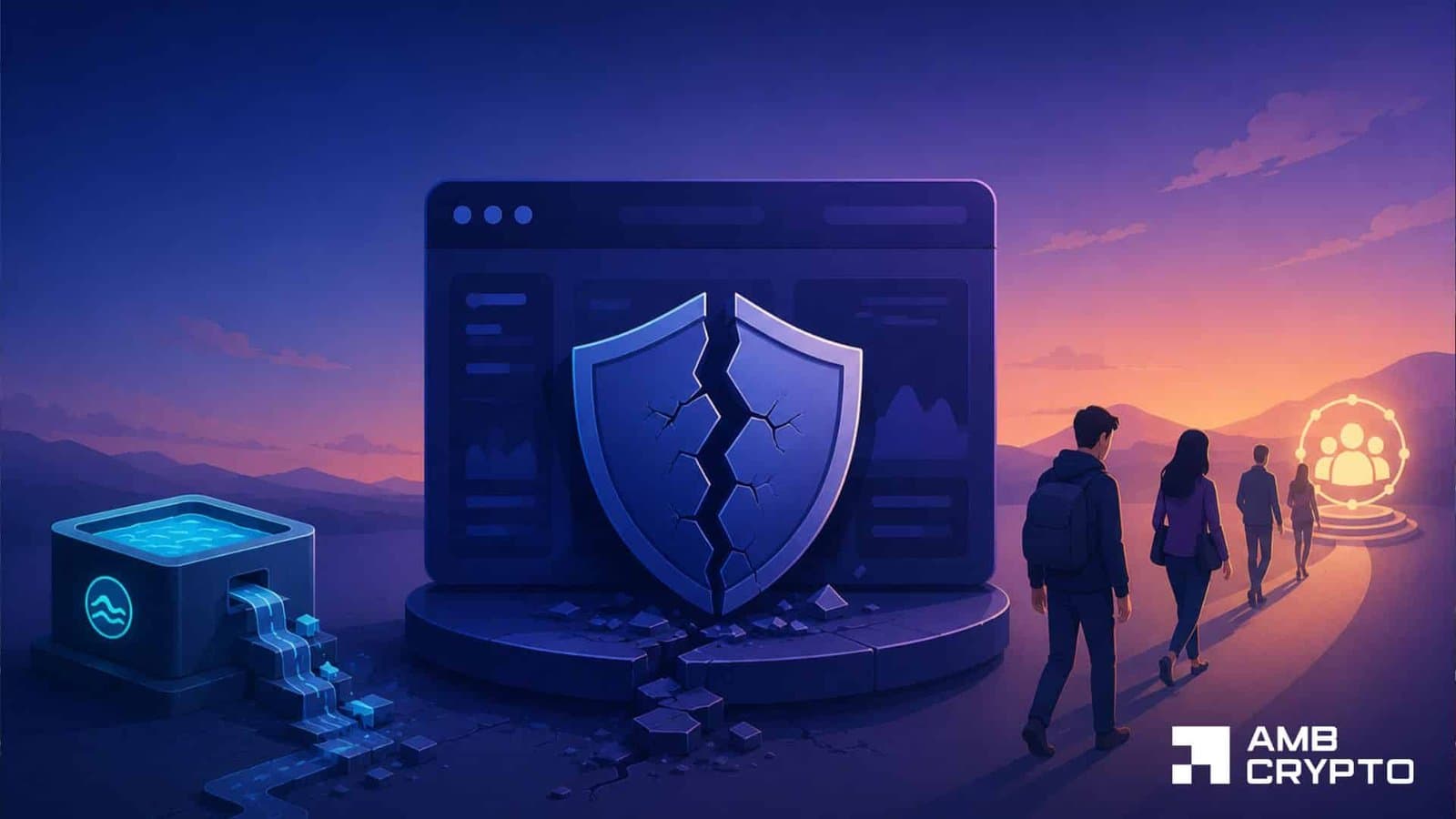
In a remarkable turn of events, Binance reported that 70% of its European users' funds moved from its exchange to self-custody wallets. This signals a significant shift in the way users are approaching cryptocurrency management, as many are opting for direct control over their assets rather than relying on centralized exchanges.
After the recent changes in regulations under the Markets in Crypto-Assets (MiCA) framework, it was widely assumed that users would migrate to other approved exchanges. However, Binance's data tells a different story. Instead of searching for alternatives, the vast majority of users have decided to take their assets into their own hands, which reflects a growing trend towards self-custody solutions.
Historically, users had little choice but to store their cryptocurrency on centralized exchanges like Binance, where the complexities of trading and inter-chain operations were managed by these platforms. Now, innovations such as self-custody wallets and decentralized protocols like THORChain have provided users with the tools needed to manage their assets independently and securely.
This shift is significant for the entire crypto landscape. As more users gain confidence in self-custody solutions, the traditional role of exchanges may need to evolve. The convenience of keeping funds on exchanges is no longer a necessity, but rather a choice that users can reconsider.
With the rise of intuitive wallets and user-friendly interfaces, the future appears to favor self-custody. Users are no longer at the mercy of centralized entities and can trade assets across different blockchains without relinquishing control. This trend not only reflects a changing mindset among crypto users but also poses challenges for exchanges that must now compete with these powerful alternatives.
This material is for informational purposes only and should not be considered financial advice.