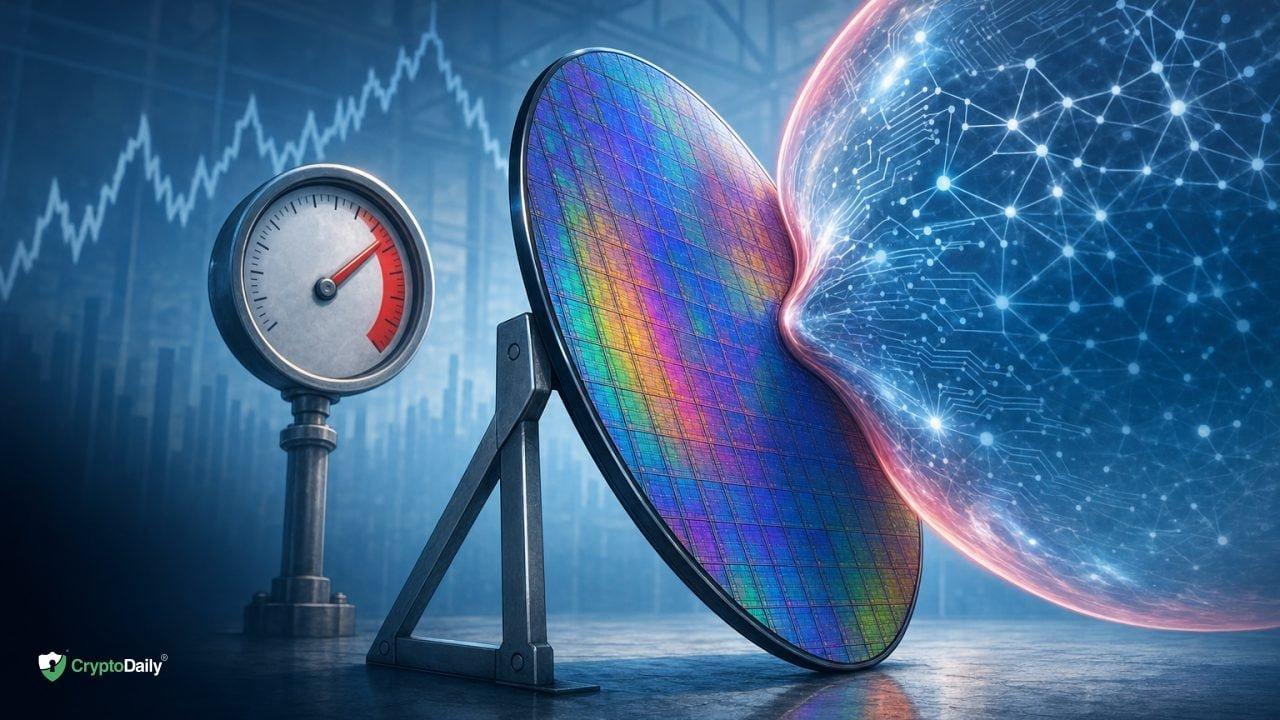
As futures began trading, news of Samsung's impressive earnings report reverberated across trading desks. The company announced a record quarter, but the anticipated surge in market optimism didn’t materialize. Traders reacted with skepticism, continuing to scale back their positions.
This reaction raises pertinent questions: why did a remarkable report from one of the foremost chip manufacturers fail to quell fears about a potential AI bubble? The semiconductor industry had been on a relentless rise for a year, with the Philadelphia Semiconductor Index reaching new heights until encountering a sharp correction shortly thereafter.
Understanding the Impact of Samsung's Earnings
On July 7, Samsung projected an astounding operating profit of approximately 89.4 trillion won, alongside about 171 trillion won in consolidated sales for Q2 2026. Such figures are indeed impressive, yet they did little to calm the nerves of investors wary of rising capital expenditures and inflated valuations.
- Samsung's operating profit estimated at 89.4 trillion won
- Consolidated sales projected around 171 trillion won
- SOX index saw a rally exceeding 130% in the previous year
- June 22 marked an all-time high for the SOX at around 14,655
Even significant news can fail to trigger a broad market response when investors are concerned about their exposure and market cycles. Ultimately, it appears that much of the positive news may already be accounted for in stock prices.
From Euphoria to Downturn in the Chip Sector
The past year has been characterized by soaring stock prices in the semiconductor sector, driven mainly by the AI boom. However, the market abruptly shifted on June 23 when the SOX index plummeted 7.9% in a single session, reflecting growing anxieties over potential Federal Reserve policy changes and fears that AI-related expenditures may have peaked.
This turbulence was not limited to U.S. markets; in South Korea, the KOSPI index dropped nearly 10%, necessitating a circuit breaker as shares of Samsung and SK Hynix fell sharply.
The timeline of this market volatility is noteworthy:
- June 22: SOX reaches a record high
- June 23: The index drops sharply amid increasing hawkish Fed commentary
- June 23: KOSPI hits a circuit breaker due to significant losses in semiconductor stocks
- Late June early July: Investors pull back on chip stocks, shifting towards hedging
- July 7: Samsung announces record profits, yet the market response is muted
What Lies Ahead for Investors
As we move forward, investors should monitor upcoming corporate reports and macroeconomic indicators, especially any signals from the Federal Reserve regarding interest rates. The market's current sentiment suggests caution, as the fears surrounding AI spending and valuations linger in investor consciousness.
Disclaimer: This material is for informational purposes only and does not constitute financial advice.