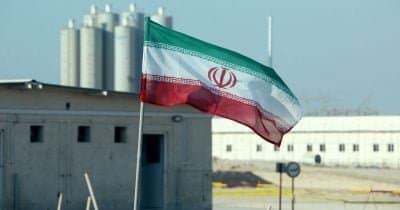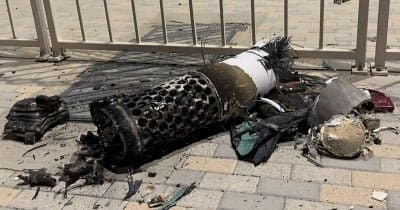
A recent incident in Qatar, where shrapnel from intercepted Iranian missiles injured three people, highlights the growing dangers associated with ongoing military conflicts in the Gulf region. Such events are prompting a reevaluation of geopolitical risk by investors, particularly those in the cryptocurrency market.
On July 12, a child was among those hurt when Qatar’s defense systems intercepted missiles targeting critical infrastructure, including the strategically important Al Udeid Air Base. This base, located just southwest of Doha, is crucial for U.S. military operations in the Middle East and houses thousands of personnel. Emergency measures were activated by Qatar’s authorities, which included medical treatment for the injured and airspace restrictions.
Implications for Global Energy Markets
As the world’s largest exporter of liquefied natural gas (LNG), Qatar's stability is vital for global energy markets. Even minor disruptions can trigger significant ripples across the energy sector. Investors are closely monitoring the geopolitical landscape, particularly how a potential increase in attacks might affect production and shipping insurance costs through the Strait of Hormuz.
The digital asset market has not yet reacted significantly to these tensions. Despite concerns, there has been no substantial movement towards Bitcoin or any other cryptocurrencies as a safe haven since these incidents began. This lack of direct impact suggests that crypto investors are not currently viewing Gulf hostilities as a catalyst for immediate market changes.
Future Regulatory Challenges for Crypto
Both Qatar and the UAE are in the process of building comprehensive crypto regulatory frameworks. A prolonged conflict in the region could stall or complicate these initiatives, creating uncertainty for investors seeking to navigate the regulatory landscape. This is the third time in recent months that civilians have been injured during missile defense operations in a key Gulf financial center, raising alarms about the safety and stability of such environments.
This article is for informational purposes only and does not constitute financial advice.