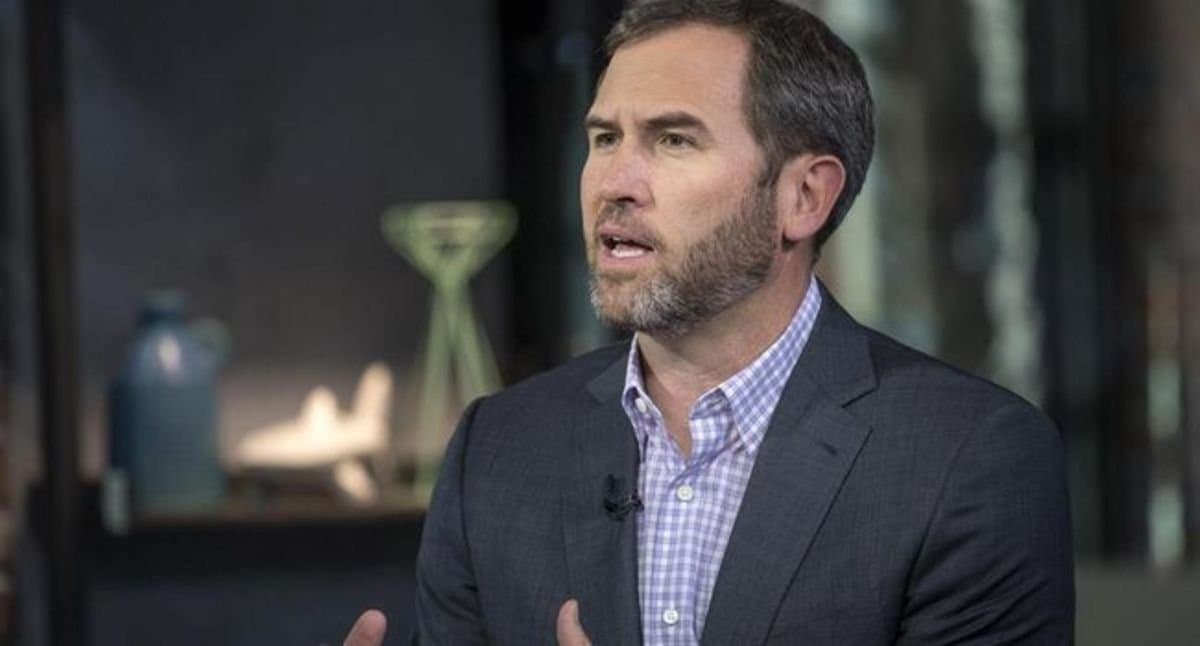
In a striking revelation, Ripple CEO Brad Garlinghouse shared that the company faced a serious threat of closing its doors and distributing its XRP assets to shareholders. This discussion came to light during a recent talk at the University of Kansas School of Business, where Garlinghouse detailed the thoughts he and co-founder Chris Larsen had after the SEC filed a lawsuit in 2020.
The idea was surprisingly straightforward: given Ripple's significant treasury of XRP tokens, the founders contemplated winding down the business and returning the XRP to shareholders. This would have essentially cleared the company of the SEC's claims, as they could have stated they no longer held the security in question. However, Garlinghouse emphasized that the choice to continue fighting was driven by the well-being of their employees rather than a belief they would win the case.
For Garlinghouse, the decision was not merely about the survival of the business but also about preserving hundreds of jobs. He acknowledged that even though looking back, he feels relief about their choice, it was not an easy decision to make. Former CTO David Schwartz echoed the sentiment, revealing that legal counsel advised them to consider shutting down due to the bleak outlook for the company's future.
The battle with the SEC came at a hefty cost. Garlinghouse revealed that Ripple's legal expenses over four years amounted to about $150 million, and both he and Larsen were named personally in the suit. He views the SEC's actions as a strategy to intimidate them into a hasty settlement, something they resisted. Notably, Garlinghouse had met with SEC officials multiple times prior to the lawsuit without any indication that XRP could be classified as a security, a fact that reinforces the ongoing criticism regarding the SEC's regulatory approach.
Ultimately, Ripple emerged victorious on a critical issue: a ruling from Judge Analisa Torres determined that XRP itself is not a security. The case was settled last year following a shift in SEC leadership, which adopted a more favorable stance towards the cryptocurrency sector. This victory not only safeguarded Ripple as a key player in the XRP ecosystem but also ensured the continuation of its innovative cross-border payment services.
As for the price of XRP, the recent revelations about Ripple's precarious situation do not appear to have sparked immediate market movements. Currently, XRP trades around $1.09, experiencing a slight decline of approximately 1.4% amidst broader market trends. However, the industry remains attuned to the implications of these developments as they reflect the ongoing challenges and resilience within the crypto landscape.
This article is for informational purposes only and should not be considered financial advice.