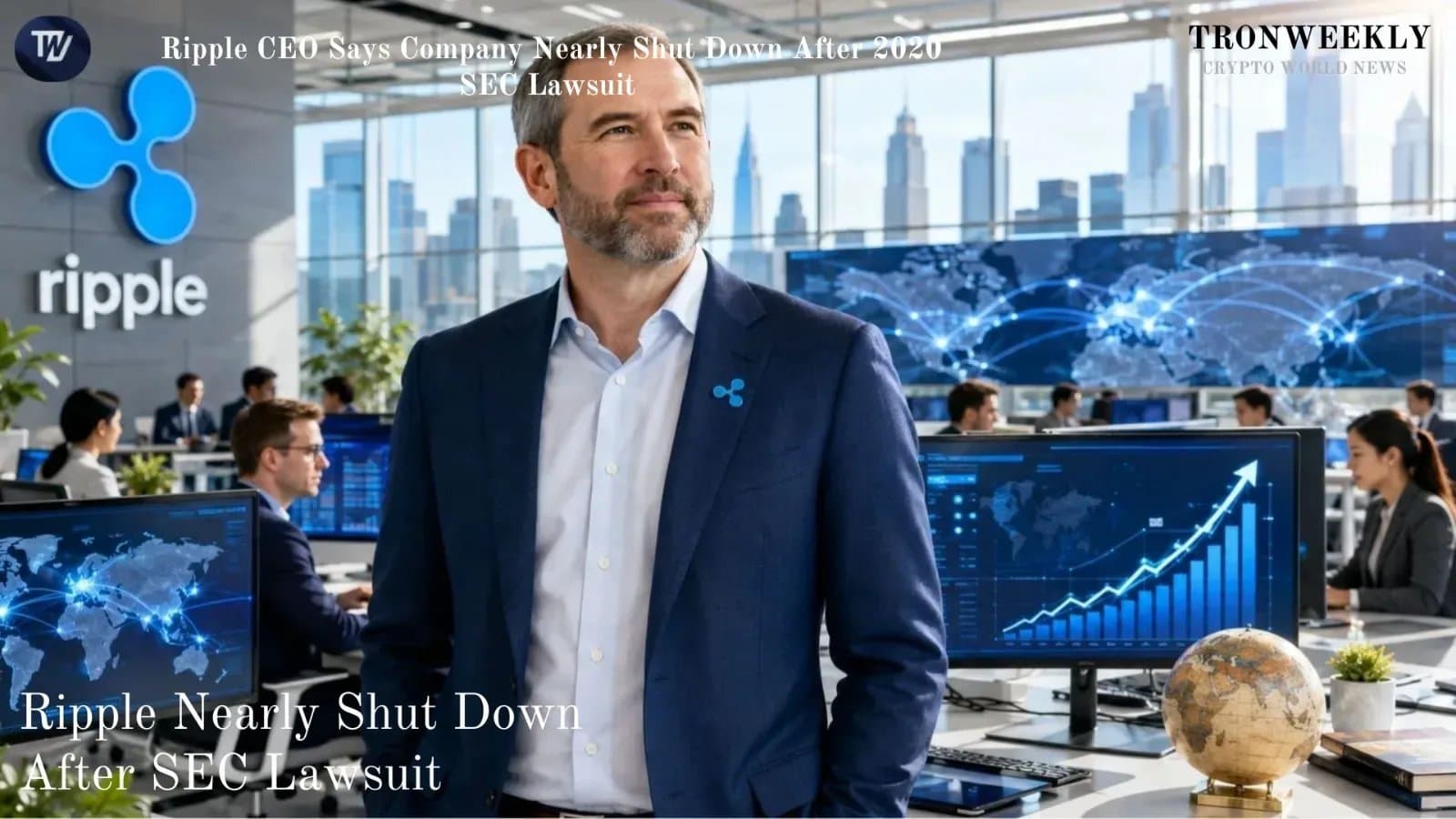
In a recent address at the KU School of Business, Ripple's CEO Brad Garlinghouse disclosed the struggles the company faced after the U.S. Securities and Exchange Commission (SEC) initiated a lawsuit against Ripple in December 2020. This legal battle not only tested the company's resolve but also forced its leadership to contemplate the unthinkable shutting down operations.
With the SEC's allegations suggesting that Ripple was offering unregistered securities in the form of its digital asset, XRP, Garlinghouse explained how the lawsuit introduced immense challenges, raising questions about the sustainability of Ripple's operations amid the mounting legal costs. He noted that, at one point, the company considered distributing its XRP holdings to shareholders on a pro-rata basis while informing the SEC it had stopped holding the token. Although this would have resolved the issue more swiftly, it would have wreaked havoc on the workforce, resulting in many losing their jobs.
The tension was palpable during those months, as exchanges began delisting XRP, leading to a spiraling sentiment that ripple was on the verge of collapse. Social media was filled with pessimism, echoing remarks like, “XRP is done. It’s over, sell before it goes to zero.” As Garlinghouse pointed out, the company faced the reality that folding under SEC pressure would be the worst possible outcome.
Deciding to Fight Back
Garlinghouse's decision to contest the SEC's claims stemmed from the recognition that the regulator wielded considerable power and resources. Despite the difficulties, he believed the alternatives were less favorable. The CEO emphasized that fighting back was essential to preserve the company's mission and secure its future in the crypto ecosystem.
As the case developed, it garnered significant attention, positioning itself as one of the most closely watched legal disputes in the cryptocurrency landscape. In 2023, a pivotal ruling by Judge Analisa Torres concluded that transactions involving XRP are non-security transactions, which has been hailed as a major victory for Ripple and the broader digital assets community.
Regulatory Implications
The outcomes of this high-stakes showdown have had far-reaching consequences for the crypto sector, shaping discussions around regulation. Legal experts frequently reference this case to help differentiate between digital assets and their trading methods. Ripple’s ongoing recovery has seen it expand its operations internationally and engage in various collaborations, aided by increased tolerance from regulators following the lawsuit's resolution.
Garlinghouse's reflections shed light on one of the most tumultuous periods in Ripple's history. The adversities faced not only tested the company's resilience but also underscored the significant impact that regulatory enforcement can have on business decisions in this evolving industry.
This material is for informational purposes only and should not be considered as financial advice.