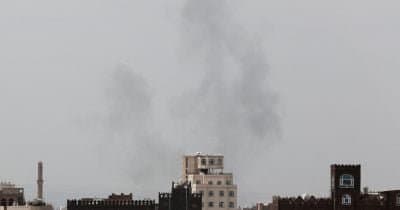
Airstrikes targeted Sanaa International Airport on July 13, marking a significant escalation in Yemen's ongoing conflict. The Houthis quickly pointed fingers at Saudi Arabia for the attack, but it was revealed that the operation was conducted by Yemen's internationally recognized government with Saudi support. The strategic strike aimed to prevent an Iranian aircraft from landing, effectively shattering a four-year ceasefire between the Houthis and the Saudi-backed government.
In retaliation, the Houthis launched ballistic missiles and drones at Abha International Airport in southern Saudi Arabia. Fortunately for the Saudis, their defense systems intercepted the attacks, averting potential damage.
Market Reactions
This sudden uptick in military actions has sparked interest in markets linked to Houthi military operations, especially concerning potential threats to shipping routes. Reports indicate that by the end of August, there is a 46% likelihood of Houthi actions impacting these vital maritime paths. The airstrikes and missile launches suggest the ceasefire's collapse, triggering heightened expectations of further conflict.
Looking ahead, analysts are closely monitoring for additional military actions from the Houthis. Statements from their leadership, including Abdul-Malik al-Houthi, may provide insight into any shifts in the ongoing tensions. The situation remains dynamic, and developments such as new ceasefire agreements or interceptions of Houthi assaults by US or UK forces could significantly influence market anticipations.
This article is for informational purposes only and should not be considered as financial advice.