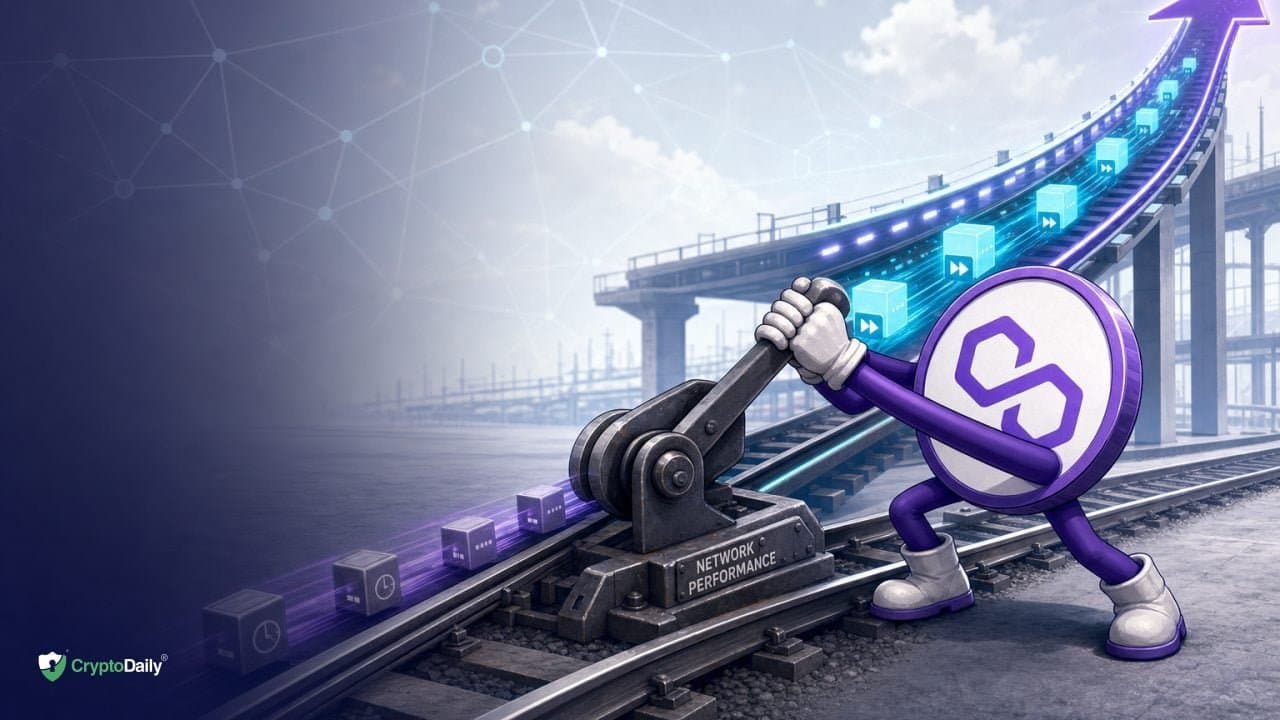
Polygon has made significant advancements with the upgrade of its Heimdall layer, resulting in faster block times and increased capacity per block. The critical inquiry for POL holders is whether these improvements will translate into higher demand for the token.
The rollout has been closely monitored, revealing promising technology enhancements, while the market reaction remains uncertain. The key changes include improved throughput, an upgraded consensus layer, and coordinated efforts among exchanges during the hard fork.
Throughput Improvements
Polygon has increased its block gas limit to 160 million, enabling up to 5,000 transactions per second, with block times reduced to just 1.5 seconds. This change is expected to enhance transaction efficiency significantly.
Consensus Layer Upgrade
The release of Heimdall v0.9.0 for the mainnet, coupled with the Zurich hard fork activation at block 47,880,000, marks a critical milestone. Node operators have been instructed to upgrade, ensuring that the network operates smoothly during this transition.
Notably, exchanges like Bybit have played a role in this upgrade by pausing POL deposits and withdrawals to mitigate risks during the fork window.
What This Means for POL Demand
The relationship between the token's demand and network performance hinges on several factors, including staking requirements, fee structures, and the overall growth of applications on the platform. While performance improvements are significant, they do not automatically guarantee increased buying pressure for POL.
With the new Heimdall version, users can expect a cleaner consensus flow, minimal disruptions, and the potential for larger transaction bursts, which should ultimately lead to more efficient use of the Polygon network.
This material is for informational purposes only and should not be considered financial advice.