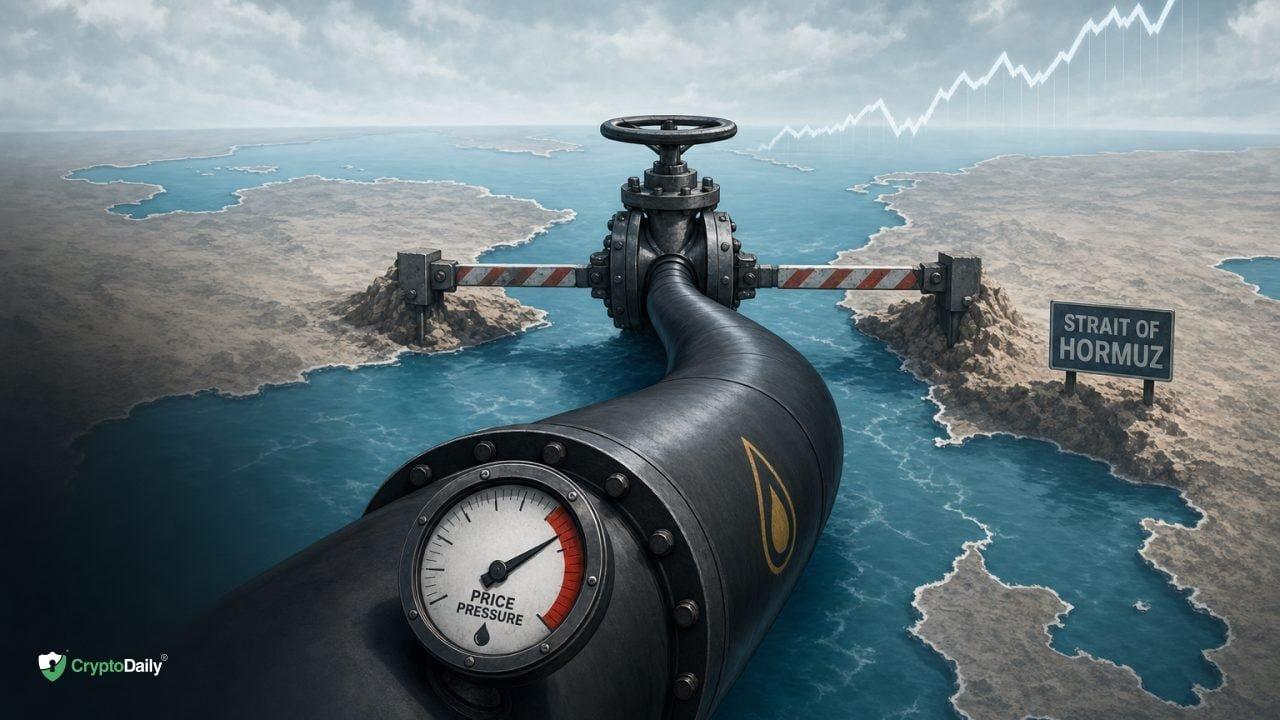
The oil market has once again become a focal point of attention. A recent weekend filled with headlines from the Strait of Hormuz has quickly shifted the focus of traders back to Brent crude and gasoline prices, leaving behind the buzz around tech stocks and AI valuations.
Although we are not in the 1970s era of energy crises, fluctuations in oil prices still have significant implications for growth stocks, inflation rates, and interest rate predictions. The timing is particularly sensitive, as equity markets had been rallying on hopes of smooth disinflation and favorable economic conditions.
Why This Matter to You
The dynamic nature of the oil market can have broader implications. Here's what you need to know about recent developments:
- July 7: U.S. forces conducted airstrikes on Iranian targets after attacks on commercial vessels.
- Policy changes: The U.S. Treasury revoked a general license for Iranian crude sales, leading to increased market tensions.
- Brent crude price spike: On July 7, Brent crude rose approximately 3%, nearing $78 the following day.
- S&P 500 impact: The index fell about 0.45% on July 7, with rising oil prices negatively affecting market sentiment.
The Current Situation in Hormuz
To summarize recent events: tensions in the region escalated as the U.S. Central Command reported that strikes against Iranian positions followed attacks on three commercial vessels on July 7. This has raised concerns over supply risks in a vital oil passage. In response, the U.S. government tightened restrictions on Iranian crude oil sales, planning to phase out sales amid soaring tensions.
Oil futures reacted promptly, with Brent crude settling $2.17 higher and WTI showing similar upward movement after the news broke. By the next morning, Brent climbed further, driven by doubts over a potential truce.
Meanwhile, equity markets responded negatively, with the S&P 500 closing down about 0.45% as the tech sector faltered and rising oil prices dampened investor sentiment.
Understanding the Inflation Link
Energy price fluctuations affect inflation through several channels. Initially, rising oil costs directly impact consumer prices, especially in areas like gasoline, which holds significant weight in consumer price indices. The second phase involves increases in diesel and jet fuel, which translate into higher transport and delivery costs and eventually impact goods prices.
This cyclical relationship means that if businesses face increased costs and can pass these onto consumers, we might see inflation metrics rise, affecting monetary policy. The markets are closely watching these developments.
Looking Ahead: What’s Next?
As we move forward, market participants should remain vigilant about potential escalations in Hormuz and their implications for oil prices, inflation, and stock markets. How these dynamics will unfold in the coming weeks could significantly influence trading strategies and investment decisions.
Disclaimer: The information provided is for informational purposes only and should not be considered financial advice.