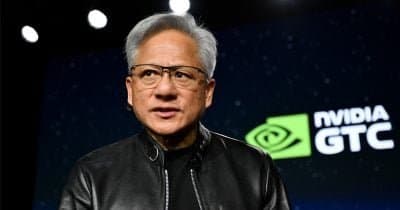
Nvidia’s CEO Jensen Huang is in Tokyo this week, marking a significant moment for the company as he commemorates 30 years of partnership with Sega. This celebration comes on the heels of criticism Huang received for not including Japan in his recent travel plans, which many perceived as a slight, dubbing it the ‘Japan passing’ controversy.
Back in 1996, Nvidia was struggling to stay afloat as a small chip manufacturer when Sega came to the rescue with a $5 million investment. This support not only prevented bankruptcy but also set the stage for Nvidia to become a trillion-dollar enterprise, starting with the launch of the NV1 chip in 1995. The Akihabara event will showcase the debut of Nvidia's RTX Spark AI platform in Japan, along with a raffle for the coveted GeForce RTX 5090 FE graphics card.
Japan holds a crucial position in Nvidia’s plans, especially in the realms of agentic AI and robotics. With an aging population, Japan is under pressure to innovate and automate, and Nvidia’s GPU technology is central to modern AI applications. The newly launched RTX Spark platform aims to empower both consumers and businesses by enabling local AI processing on PCs, reducing dependency on cloud servers.
The concerns stemming from the 'Japan passing' incident indicated a fear among Japanese tech leaders that Nvidia was sidelining the world’s third-largest economy for its neighboring countries. Huang’s current visit is a strategic move to counter this perception, and the anticipated announcements regarding partnerships with Japanese firms will bolster this effort, demonstrating that Nvidia remains committed to Japan.
Interestingly, despite the tangible initiatives, there is no evident focus on cryptocurrency or blockchain technologies during this visit.
This article is for informational purposes only and does not constitute financial advice.