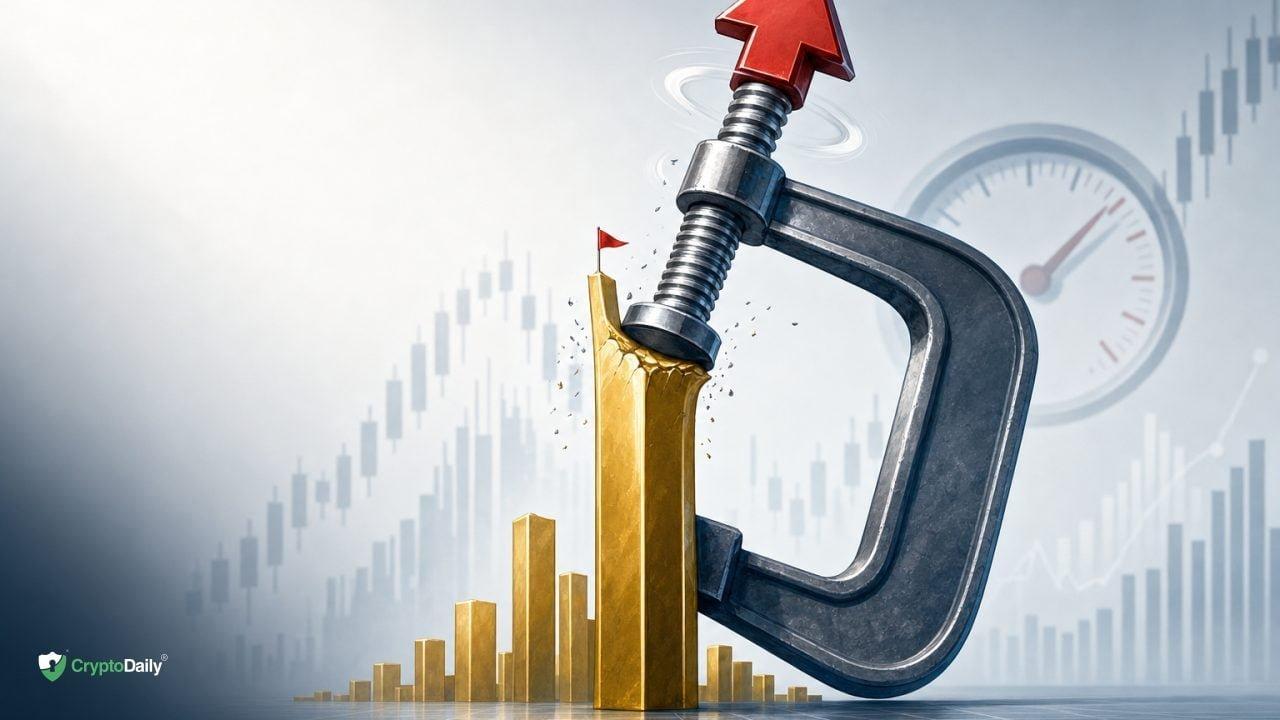
The stock market is currently perched at notable heights, with the S&P 500 reaching new closing peaks in early June, primarily fueled by a surge in optimism surrounding artificial intelligence. This is certainly positive news for those holding long positions, but it raises an essential question ahead of the forthcoming Fed minutes release: what happens if yields continue to rise while valuations appear inflated?
Why This Matters to Investors
An upward shift in the 10-year Treasury yield, settling in the mid-4% range, coupled with hawkish sentiments from the Fed minutes could rapidly tighten valuation multiples. Here are a few key aspects worth noting:
- The tone of the Fed minutes has indicated increasing inflation concerns.
- The 10-year Treasury yield was recorded at 4.47% during a recent weekly summary.
- The S&P 500’s forward P/E is approximately 20.1, surpassing both 5- and 10-year averages.
- The index achieved new all-time highs in early June, driven by AI developments.
Higher yields exert pressure on valuations in several ways. As the yields on Treasury bonds escalate, the discount rate applied to forecasted cash flows also rises. This mathematical reality, indifferent to the prevailing narratives, leads to a decrease in present value, reflected as compression in price-to-earnings (P/E) ratios. This shift does not necessarily require dramatic changes; even small adjustments can have significant implications when starting from elevated valuations.
Understanding the Valuation Landscape
Investor behavior plays a crucial role as well. The opportunity to earn over 4% in Treasury securities elevates the benchmark for assuming equity risk. Therefore, the equity risk premium must adequately compensate for that elevated threshold. When the premium seems meager, capital often shifts toward defensive investments or seeks lower valuations for equivalent earnings.
As of late June, the S&P 500's forward P/E ratio around 20.1 positions it well above its historical averages, especially amidst a 10-year yield close to 4.47% in early July. If corporate earnings maintain a robust growth trajectory, the market may accommodate some of these pressures. Conversely, stagnating earnings could reveal the impact of rising discount rates on stock prices.
Looking Ahead
The June 16-17 Fed meeting minutes hinted at escalating inflation apprehensions, with several members suggesting the potential for a rate hike. Interestingly, nine out of eighteen participants anticipated slightly elevated rates by the end of 2026. This backdrop poses a daunting scenario for the S&P 500, especially given its recent highs bolstered by AI enthusiasm. Investors will need to stay vigilant, observing the forthcoming economic indicators and any shifts in Fed policy that could impact both yields and valuations.
This material is for informational purposes only and does not constitute financial advice.