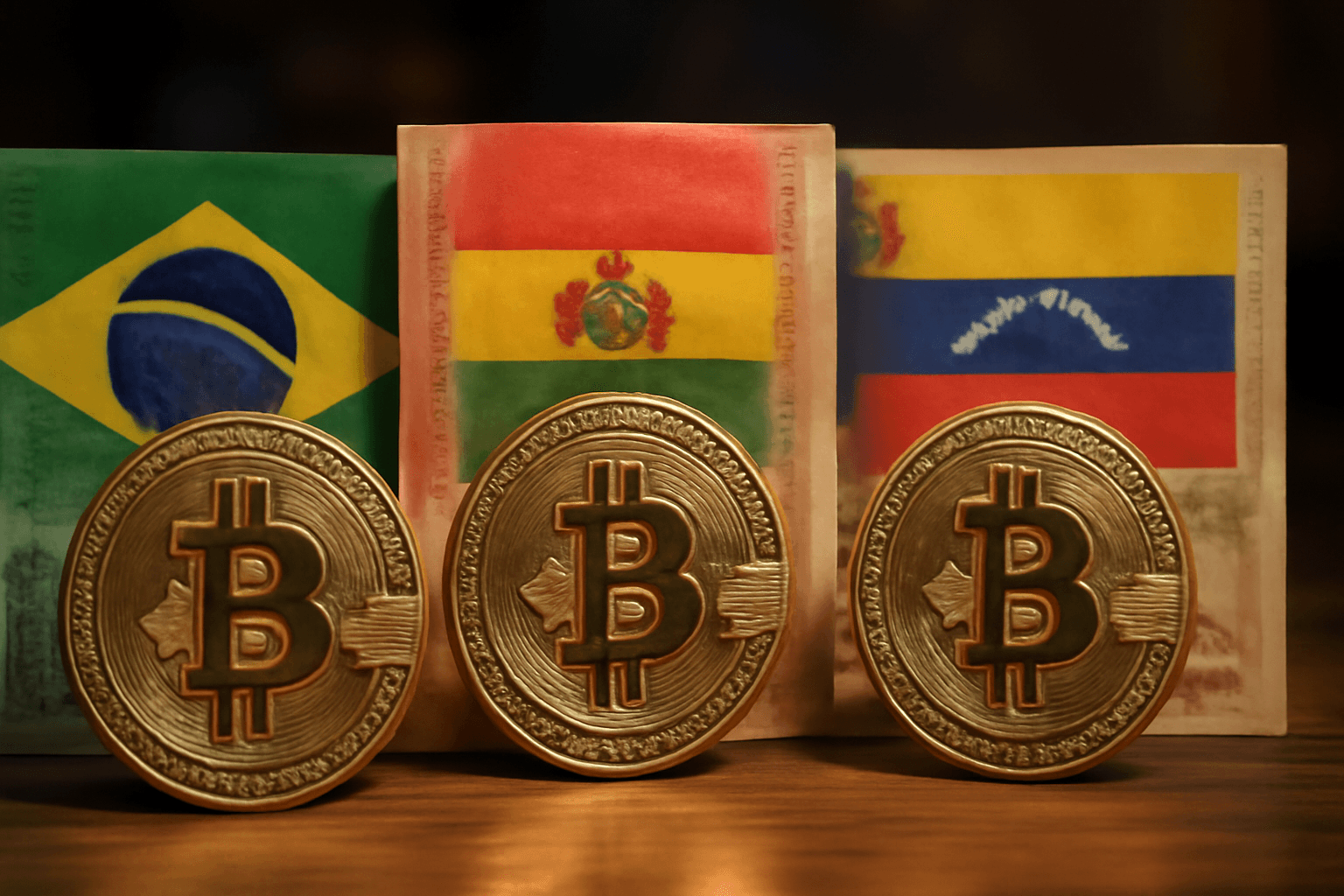
Welcome to the latest edition of Latin America Update, where we bring you the most significant developments in the cryptocurrency sector across the region. This week, we see Brazil tightening its regulations on cryptocurrency companies, OKX stepping in to aid victims of recent seismic events in Venezuela, and Bolivia's major decision to shift its currency policy.
Brazil Tightens Regulations for Cryptocurrency Providers
The Central Bank of Brazil has issued new regulations affecting virtual asset service providers (VASPs). With the publication of Resolution No. 580/2026, the Bank has categorized these companies alongside traditional brokerage firms. Previously, Type 3 classification included only securities and foreign exchange brokers, but now, VASPs are also subject to similar regulatory expectations.
Starting from January 1, 2027, these crypto firms will need to comply with rigorous rules pertaining to capital requirements, risk management, and information transparency. The move reflects Brazil's stance to integrate cryptocurrency businesses more closely with traditional financial systems.
OKX Launches Support Initiative for Earthquake Victims in Venezuela
In response to the tragedy of the twin earthquakes that struck Venezuela, resulting in over 2,000 fatalities, OKX has announced a proactive support program for affected residents. Leveraging its platform, the exchange is offering 20 USDT to individuals residing in La Guaira, the province hardest hit by the disaster, as a form of financial assistance for recovery.
“We know that these days have been difficult. But we have also witnessed extraordinary solidarity from both Venezuelans and the global community,” said OKX in a recent statement via its Latin America social media account. This initiative demonstrates the strengthening ties between crypto technology and humanitarian efforts in the region.
Bolivia Ends Fixed Dollar Exchange Rate, Introducing a Floating System
In a significant economic shift, Bolivia has decided to abandon its fixed exchange rate regime, which had been in place for 15 years. The Ministry of Economy announced a new resolution on June 26 to float the boliviano, resulting in a 40% devaluation aimed at alleviating pressing dollar shortages.
This radical change is seen as a necessary step to improve the economy, as the previous system had long posed challenges for financial flexibility and dollar availability. By moving to a floating exchange rate, Bolivia hopes to promote a more stable and resilient economic environment.