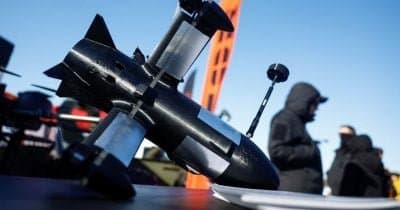
Kuwait's air defense forces are on high alert as they tackle increasing drone threats, a direct response to the escalating tensions surrounding U.S. and Israeli conflicts with Iran. Recently, Iranian forces have begun targeting Gulf states that host American military personnel, heightening fears of a new flashpoint in the region.
This uptick in military activity comes despite a ceasefire established in April 2026. The Iranian Revolutionary Guard Corps (IRGC) has reportedly launched coordinated drone and missile strikes aimed at critical infrastructure and U.S. bases within Kuwait. These provocative actions not only signify a serious violation of the ceasefire but also serve as a test of the Gulf states' air defense capabilities in a time of turmoil.
Implications for Regional Security
Observers are noting that the current situation in Kuwait reflects broader regional military tensions, with market predictions indicating a higher likelihood of Iranian military actions against Gulf states. Recent pricing trends suggest that potential near-term confrontations may be on the horizon, a concern that could have lasting implications for security and military strategy across the region.
The responses from key players such as Iran’s Supreme Leader Ali Khamenei and Saudi Crown Prince Mohammed bin Salman will be closely monitored. As military activities by the IRGC intensify, the potential for retaliatory measures from U.S. and allied forces looms large. Any changes in diplomatic efforts or military posturing could further influence market predictions and the likelihood of escalations, which could disrupt an already fragile military balance.
This article provides information and should not be considered financial advice.