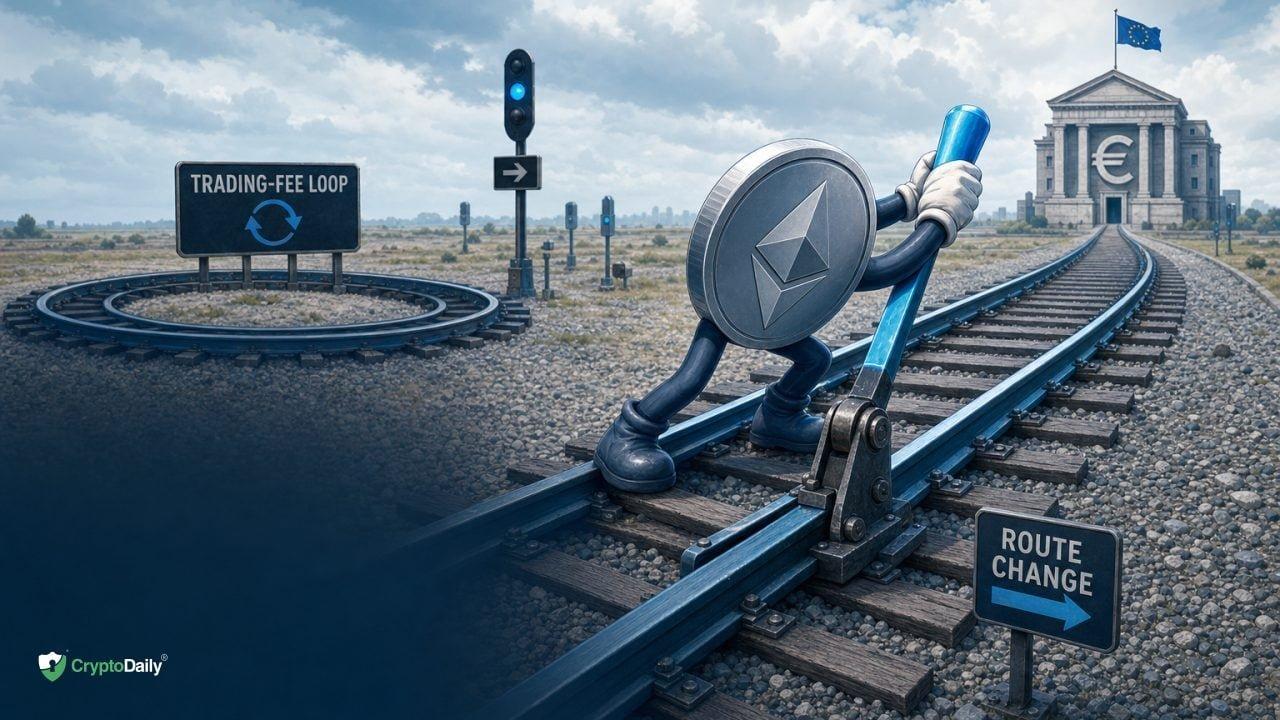
Imagine a euro trader trying to make a transfer on a Friday, eager to seize a potential market dip over the weekend. The crypto exchange has available liquidity, and market movements are promising. However, the deposit gets stalled due to maintenance by the payment partner or sudden hesitance from the institution.
This critical blockage in banking transactions is precisely why Kraken is pursuing a full European banking license, with Lithuania identified as the preferred location. It is not simply about collecting trading fees; the focus is on gaining control over the money transfer process.
Why This Matters to You
The timing of this move is significant. With the introduction of the Markets in Crypto-Assets (MiCA) regulation in Europe on July 1, 2026, exchanges are already being evaluated on their compliance and market status. According to DefiLlama’s MiCA dashboard, Kraken stands out as a liquidity leader among regulated EU trading venues, boasting around:
- $399.7 million in spot liquidity
- $206.9 million in perpetual contracts
- Access to approximately 1,704 markets
Editor’s Note: Traders have voiced concerns about slippage, but the more pressing issue has been partner risk, which has severely impacted operations. After MiCA was enacted, many OTC desks redirected their flows toward platforms with clear compliance and stable funding options. The employment trends in payment operations and treasury roles at leading exchanges indicate that those creating IBANs and direct access are shaping the user experience for everyone.
Understanding the Shift: From Challenges to Solutions
Three major developments are aligning simultaneously: the enforcement of MiCA for exchanges, the expansion of euro instant payments across the EU, and exchanges striving to eliminate reliance on third-party services that could create outages. Kraken has underscored its commitment to compliance with MiCA, indicating its authorization via the Central Bank of Ireland and marking July 1 as a pivotal date for implementation in Europe.
The core issue transcends merely reducing transaction fees or listing more cryptocurrencies. In the evolving European market, the true advantage lies in who manages the IBAN that facilitates swift crypto funding.
Looking Ahead: What’s Next?
As the landscape evolves, it will be crucial to watch how Kraken’s banking ambitions unfold. Key points to monitor include:
- Implementation of MiCA regulations and their impact on exchanges
- The timeline for Kraken to secure its banking license
- Changes in user experiences across different platforms
Disclaimer: This material is for informational purposes only and is not financial advice.