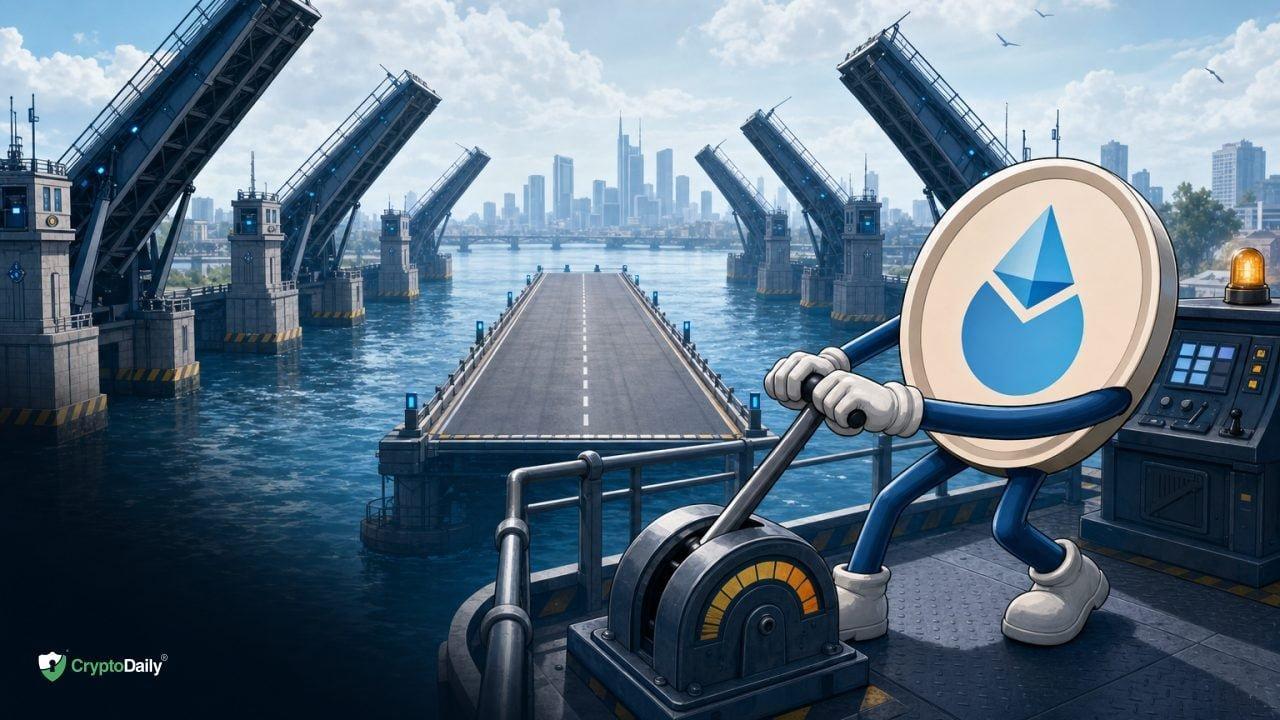
As you start your day and check your investment watchlist, you might stumble upon a headline suggesting a strategic retreat by Lido. The platform is pulling back its wstETH bridges across multiple blockchain networks. This is not a complete exit but rather akin to tidying up after an extensive celebration.
Throughout recent months, stETH and its wrapped counterpart, wstETH, became ubiquitous across numerous rollups and modular platforms. However, after a recent governance decision, the Snapshot concluded, and several endpoints started losing their 'canonical' designation. Suddenly, the cost of maintaining such a wide presence seemed excessive.
Understanding the Shift
Is this Lido acknowledging that their multichain strategy has become complicated or is it merely being selective about where to assert its presence? To clarify, the Lido DAO has voted to revoke the canonical status of wstETH bridge endpoints on nine different networks: zkSync Era, Mode, Scroll, Mantle, Swell, Zircuit, Soneium, Polygon PoS, and Lisk. This move is painted as a necessary consolidation of resources, aimed at managing risks connected to the increasing number of layer 2 chains and sidechains.
The Snapshot vote took place on June 22, 2026, where an overwhelming majority of 57.4 million LDO tokens were cast in favor, against a mere 122 opposed.
Implications for Users
What does this mean for users? While Lido is not entirely withdrawing from wstETH bridges, it is narrowing its focus on what it deems canonical. This decision shifts operational burdens and risks back to the bridges and the networks that seek to host the asset.
Practically speaking, users will notice changes in interface labeling, potential relocation of liquidity incentives, and a possible increase in complexity when routing through decentralized exchanges or bridges. For protocols that relied on the 'canonical' label for user experience clarity, new challenges will arise.
The Journey of Lido's wstETH
To put things into perspective, stETH is a liquid staking token, while wstETH is its wrapped, non-rebasing version preferred by many DeFi users. As trading increasingly migrated to L2s and networks adjacent to Ethereum, there was a rush to expand wstETH’s presence wherever trading or collateral utilization occurred.
The concept of 'canonical' bridges holds significant importance here. This designation signifies Lido's endorsement of a particular bridge endpoint for wstETH on a designated network, which can drive liquidity and bolster user confidence. However, as new chains were introduced, the obligations and associated risks grew, complicating the landscape considerably.
As Lido navigates this latest phase of its strategy, it must balance the need for growth with the complexities of multichain management, all while maintaining user trust and ensuring smooth operations across diverse platforms.