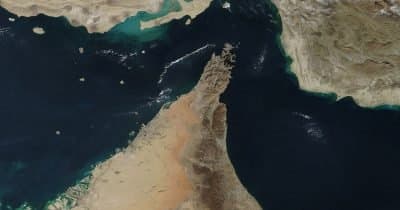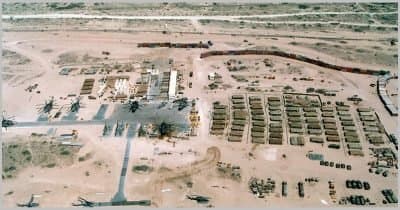
In a significant escalation of the ongoing conflict in the Gulf, the Iranian military has reportedly claimed responsibility for drone attacks on U.S. facilities in Kuwait. This latest action comes amidst the intensifying 2026 Iran war, which has seen rising tensions primarily between the United States, with support from Israel, and Iran, particularly over the strategic Strait of Hormuz.
The recent strikes represent a marked shift in Iran's military strategy, as they directly target American installations rather than merely engaging with Gulf allies. This change signals a serious escalation in hostilities, as previous confrontations typically involved indirect confrontations rather than outright attacks on U.S. forces.
The situation remains precarious, with a fragile ceasefire frequently undermined by mutual military actions. Observers note that the drone strikes could lead to increased confidence in scenarios where Iran continues to engage in military operations against Gulf states. Market reactions reflect growing concerns, with some trading platforms indicating near certainties regarding Iran's aggressive posture.
As the situation develops, analysts will be closely watching for further military actions and any responses from U.S. and Kuwaiti officials. The potential for increased conflict could significantly influence market expectations and regional stability. With key figures from both sides likely to make statements in the coming days, the dynamics in the Gulf could shift rapidly, impacting not just military strategies but also economic conditions across the region.
This material is for informational purposes only and does not constitute financial advice.