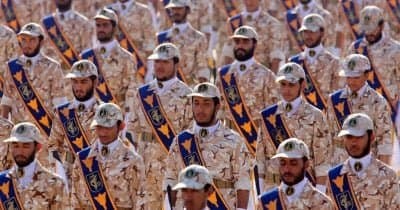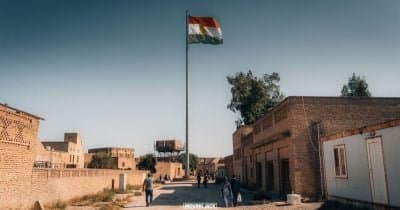
Earlier this month, Iran escalated its military efforts in Erbil, specifically targeting Kurdish separatist factions. Reports indicate that these operations are aimed at groups such as Komala, KDPI, and PAK, which have been active in Iraq's Kurdistan Region. Iran claims that these organizations are attempting to incite unrest, supposedly receiving support from U.S. intelligence.
This latest military action is part of a broader context surrounding the ongoing 2026 Kurdish Iranian crisis, intertwined with the complex dynamics involving Iran, the United States, and Israel. As the tensions rise, Iranian forces have unleashed a series of missile and drone attacks since February 2026.
Despite the Iraqi Kurdish authorities opting for a neutral stance in this conflict, Iran's aggressive posture indicates a significant increase in regional hostilities. This situation brings into question the stability of the region and highlights the precarious balance of power among the involved nations.
The implications extend beyond the battlefield, affecting economic contexts such as the market perceptions of safety in critical shipping routes like the Strait of Hormuz. Many analysts suggest that confidence in the normalization of maritime traffic by the end of August is decreasing, currently pegged at just 12%.
As events unfold, stakeholders should closely monitor the exchanges between Iranian and U.S. officials, as any discussions or military developments could shape not just the geopolitical landscape but also economic forecasts across various sectors.
This material is informational and does not constitute financial advice.