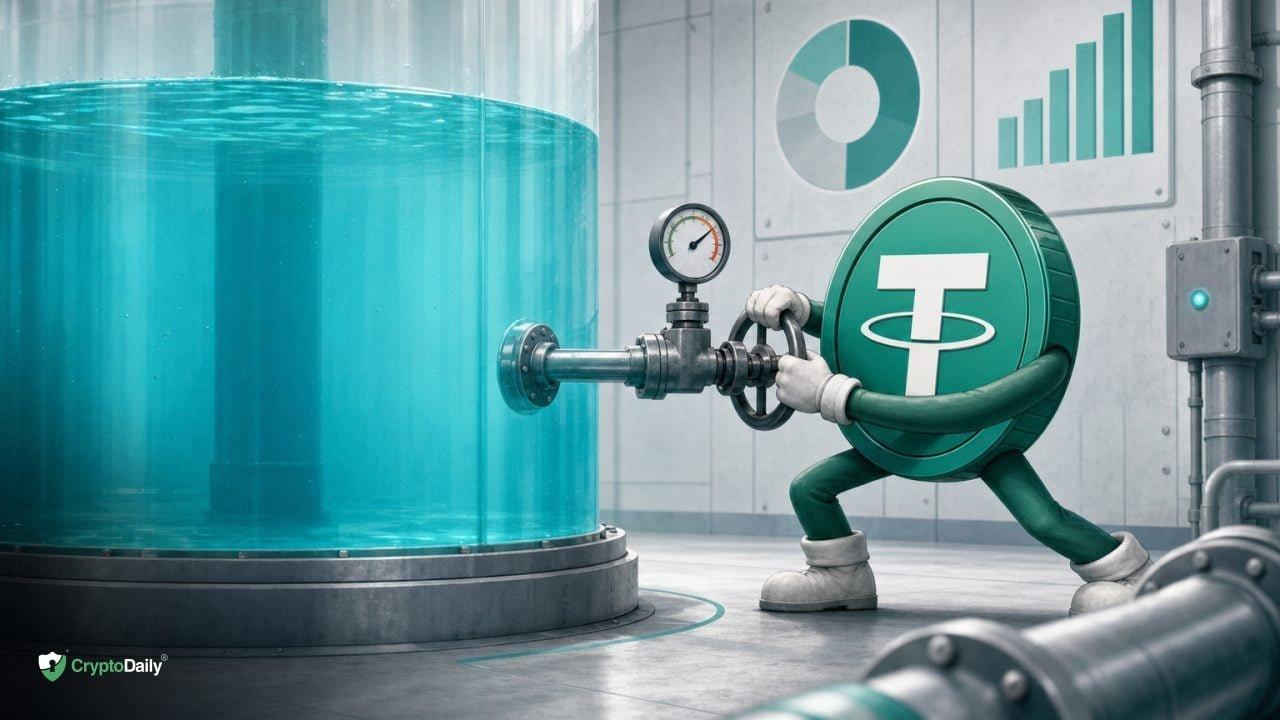
The world of stablecoins is often cloaked in complexity, and when insiders like the former investment chief of Tether seek to sell a portion of their stake, it raises immediate questions. What does this liquidity event suggest about the health and future of stablecoins? With Richard Heathcote indicating his intention to sell 1.26% of his holdings through PJT Partners, we’re given a unique window into private valuations and market appetites.
Understanding the implications of this secondary sale is vital. It’s not just about the transaction itself, but what it signifies for potential investors. Tether has sanctioned this move, which usually involves a selective auction for interested buyers, hinting at a structured approach to gauging demand and pricing. Reports highlight that the stablecoin market recently experienced a significant decline in total market cap, down to around $312 billion, reflecting market volatility that echoes the TerraUSD collapse.
Interestingly, USDT's market cap remains dominant, sitting at approximately $184 billion. This represents over 59% of the stablecoin market, illustrating its prevailing influence. The sale could provide insights into how investors are currently assessing the value of a lucrative stablecoin operation amidst market uncertainties.
When insiders sell, they are not merely exchanging shares; they are also performing a sentiment check for private equity. The details surrounding the sale, including the buyer profile and any possible discounts, can signal confidence or concern regarding Tether's reserve income and distribution capabilities. Investors should be cautious, as this situation does come with potential risks, including legal and regulatory challenges, as well as risks associated with market concentration.
It's crucial to note that stablecoin businesses operate on a more sophisticated level than they might appear. They function somewhat like banks, where user deposits are invested in short-term assets while tokens facilitate swift digital transactions. Given the sensitive nature of this market, any fluctuations can significantly impact operations and trust.
Understanding the mechanisms of private equity in stablecoin issuers is also essential. Unlike token holders, equity investors do not have redemption rights; rather, they gain exposure to net interest income and various business ventures. Therefore, secondary sales like this one can play a pivotal role in shaping perceptions of the company's stability and future potential. Market watchers must remain vigilant in interpreting these signs.
This material is for informational purposes and does not constitute financial advice.