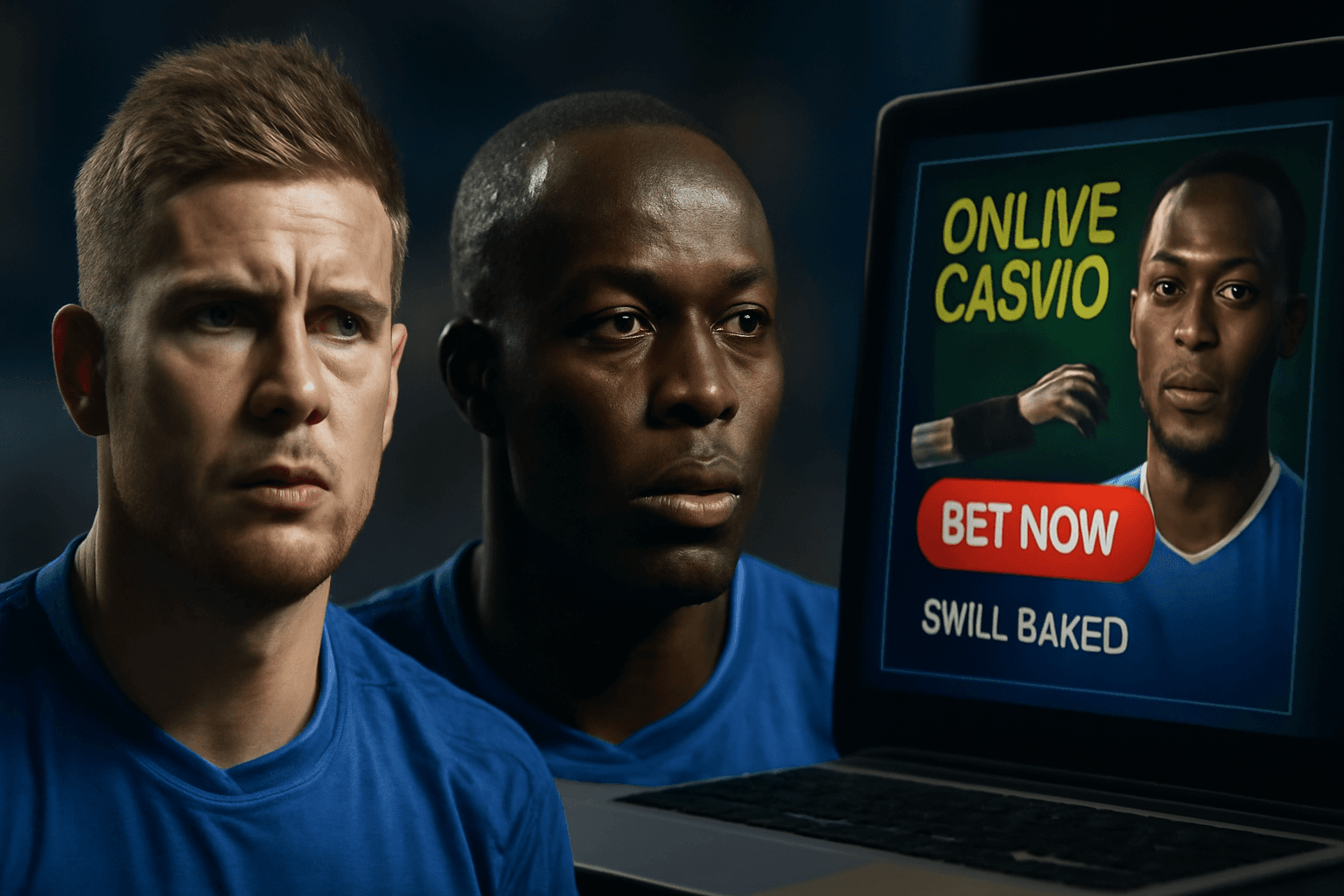
In a troubling development for sports endorsements, two unlicensed online casinos have taken the audacious step of using deepfake technology to impersonate footballers Bruno Fernandes and Jude Bellingham. These illegal operations have fabricated endorsements that the athletes never provided, utilizing AI-generated videos and bogus news articles to promote their platforms.
Why This Matters
The actions of these casinos raise significant concerns regarding the integrity of celebrity endorsements and the potential for consumer deception. With gambling regulations already under scrutiny, the use of deepfake technology complicates enforcement efforts against these anonymous offshore brands.
- QH88 produced a one-minute AI deepfake video featuring Bruno Fernandes signing a non-existent endorsement deal at Old Trafford.
- Nightwin created a fake BBC article to promote the non-existent app “Bellingham Bet,” claiming over 1.9 million downloads.
- Nightwin is licensed in Curaçao, incorporated under Flybergom B.V. in May 2024.
The Vietnamese betting site QH88 reportedly devised a website centered around this fabricated deal, showcasing the deepfake video prominently. The minute-long clip was flagged by Norwegian media outlet Josimar, which conducted a detailed analysis revealing clear indicators of AI manipulation. Such discrepancies included indistinct details and continuity issues that could easily evade the casual viewer. This incident marks a concerning precedent for the intersection of technology and sports.
Moreover, the scheme involving Jude Bellingham escalates the situation. Nightwin’s advertisement campaign relied on a deceitful narrative, leveraging a fictitious BBC story suggesting that the Real Madrid player had introduced his own betting app. The marketing around the app, which falsely boasted a 4.9/5 rating, appears to have been designed to mislead users into engaging with Nightwin’s platform before the ads were swiftly removed.
Looking Ahead
As the landscape of sports marketing evolves with the advent of AI, observers must remain vigilant about the implications for consumer trust and regulatory enforcement. The rapid rise of deepfake technology could pave the way for further incidents, leaving many unanswered questions about accountability in an increasingly digital marketplace.
Disclaimer: This article is for informational purposes only and does not constitute financial advice.