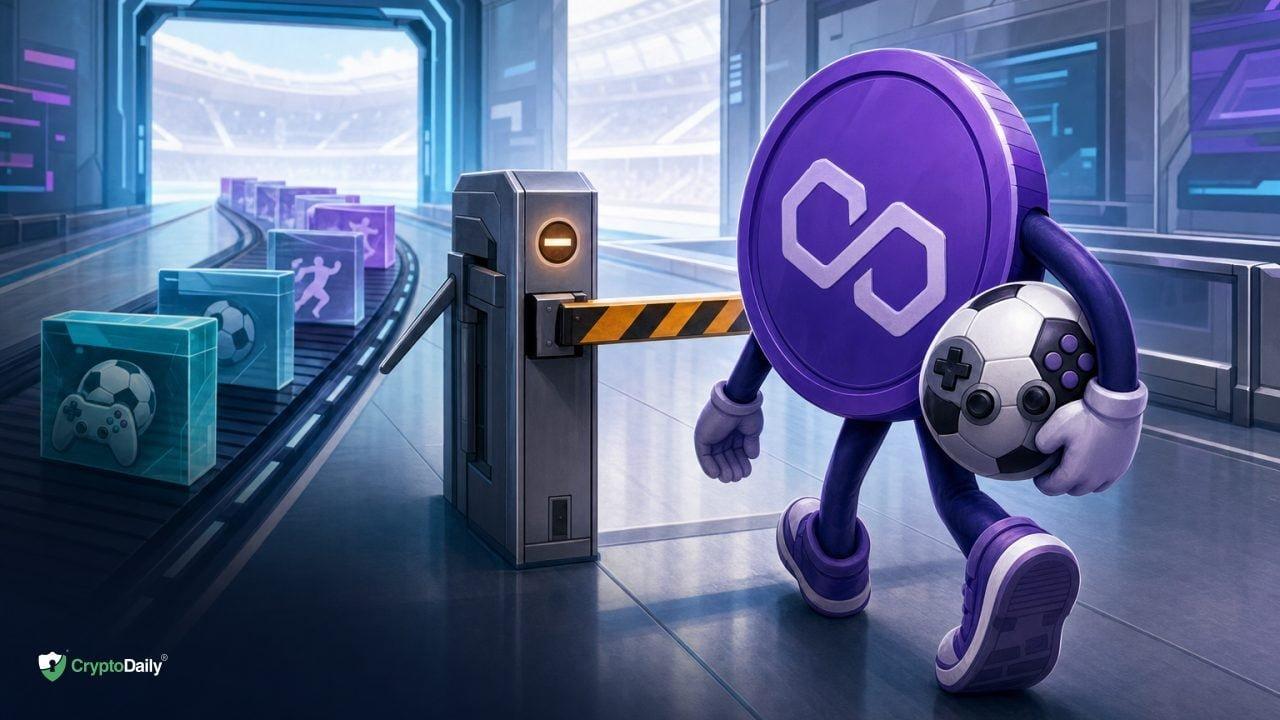
FIFA has unveiled an extensive distribution approach for its upcoming 2026 offerings, utilizing multiple platforms to maximize reach for its sports gaming ecosystem. This strategy highlights a challenge faced by Web3 games: the difficulty in attracting players can overshadow even the most innovative technology.
Why This Matters
The significance of FIFA's strategy cannot be understated. By diversifying its distribution channels, FIFA is not just aiming for visibility but is also setting the benchmark for sports games in the Web3 space. The importance of connecting with players through familiar platforms opens doors for the sports community that Web3 titles often struggle to access.
- 130 million potential fans targeted through Roblox events.
- 1.1 billion visits recorded by FIFA Super Soccer alone.
- 28 million average weekly game sessions across multiple Roblox titles.
- Availability of FIFA World Cup: Launch Edition in 20 countries.
FIFA's approach emphasizes that success hinges on establishing a presence where players already engage, rather than solely relying on blockchain technology or NFTs. The recent initiatives, including a World Cup event hosted on Roblox and the exclusive launch on Netflix Games, serve as examples of effectively reaching players in their spaces.
Factors Influencing Game Distribution
As developers consider launching games, several key factors come into play:
- Audience Reach: Platforms like Roblox and Netflix provide immediate scale; crypto-native stores often fall short without significant investment in user acquisition.
- Onboarding Friction: Using custodial wallets is essential to minimize user drop-off. Complicated signup processes tend to discourage new players.
- Store Policies: The rules of platforms like Apple dictate how NFTs can be monetized and affect the overall strategy for in-app purchases.
- Licensing & IP: Securing official rights for teams and players enhances credibility and user engagement.
- Community & User Acquisition: Engaging with players through native events and partnerships is often more effective than traditional social media hype.
Clearly, managing these elements can be the difference between a game's success and failure.
What’s Next?
As this multifaceted distribution strategy unfolds, developers should keep an eye on upcoming events, particularly regarding FIFA’s continued engagement with platforms like Roblox and Netflix. The implications of how traditional sports networks interact with new gaming models will be critical for the future of Web3 sports games.
Disclaimer: This content is for informational purposes only and should not be considered financial advice.