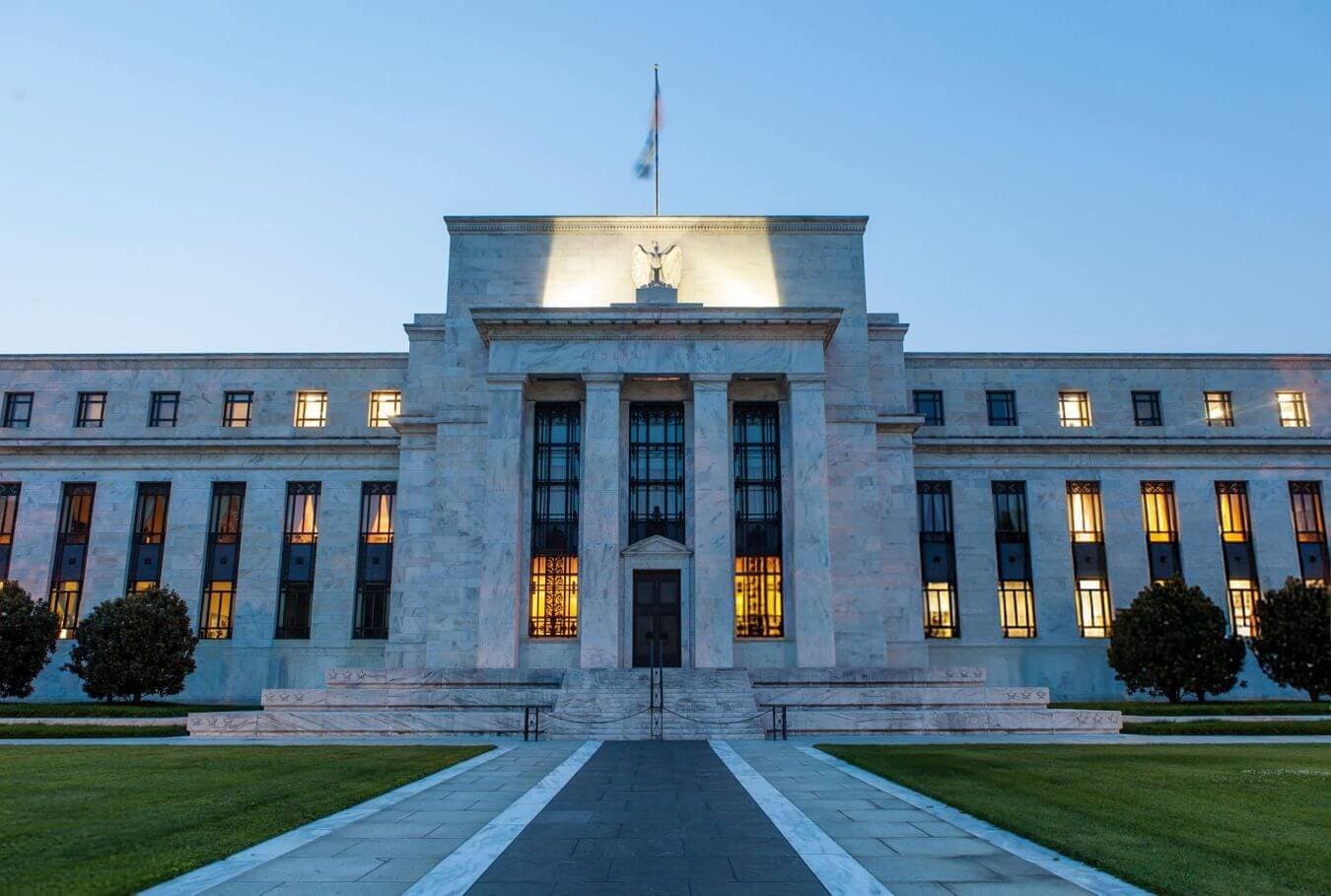
In a recent hearing, Federal Reserve Chair Kevin Warsh made it clear that the central bank will not intervene to save struggling crypto firms. His statement came as he addressed the House Financial Services Committee, emphasizing that the Fed is not in the bailout business.
Warsh's comments were a response to Representative Brad Sherman, who inquired whether the Fed would step in to support digital asset companies facing crises, akin to the support seen in 2008 for money market funds. Warsh firmly stated, “We do not want to be in the bailout business, full stop,” underlining the expectation that investors and market participants bear the risks of their investments.
Drawing from his experiences during the 2008 financial crisis, Warsh reiterated that the responsibility for losses lies with the investors and companies involved, not the Fed. His remarks highlight a significant shift in the Fed's stance on financial assistance for the rapidly evolving crypto market.
GENIUS Act Rules Approaching
As the deadline for the GENIUS Act approaches on July 18, Warsh's statements take on added significance. The GENIUS Act, which mandates that stablecoin issuers maintain full reserves for each coin issued, is intended to enhance the stability of the $310 billion stablecoin market. This legislation also prioritizes stablecoin holders over other creditors in the event of an issuer's failure.
During the hearing, lawmakers expressed concerns about the potential ripple effects a large issuer's failure could have on the broader financial system. While Warsh did not rule out future actions entirely, he indicated that the Fed aims to mitigate “extraordinary” risks over the next four years, leaving room for intervention during significant financial disturbances.
Regulatory Coordination Emphasized
Warsh also spoke before the Senate Banking Committee following his House testimony, urging regulators to work together to ensure the GENIUS Act rules are effectively implemented without leaving gaps that could lead firms to seek less stringent oversight. He warned against regulatory arbitrage, a practice where companies might choose jurisdictions with lighter regulations, jeopardizing the integrity of the financial system.
This article is for informational purposes only and does not constitute financial advice.